Kia ora koutou,
Welcome to the first of what I hope will become semi-regular updates! Firstly if you’re receiving this via email, it will be because you signed up a few years back when I was doing composer interviews. I hope you’ll stick around to see what else I’m doing as I repurpose this feed but of course no hard feelings if not.
I’ve been meaning to do more regular and informal writings/updates for a while now. I have a tendency to want to wait for significant things to happen before doing so, but as these things tend not to line up cleanly I’m trying to shake that habit and just do things in a more mundane and regular fashion. I’m hoping to do one of these every couple of months with a mix of music and more general stuff depending on what life is like at that point in time. This one is naturally is a bit bigger (too long) and is more a 2025 general recap as quite a bit happened and I wasn’t always great at providing updates to everyone who asks after and supports me in what I do. If you’re just wanting something to listen to, scroll to after the last photo gallery for a recording of as i cry out, across this whispering garden but otherwise here is a summary of a busy 2025!
2025 Part I
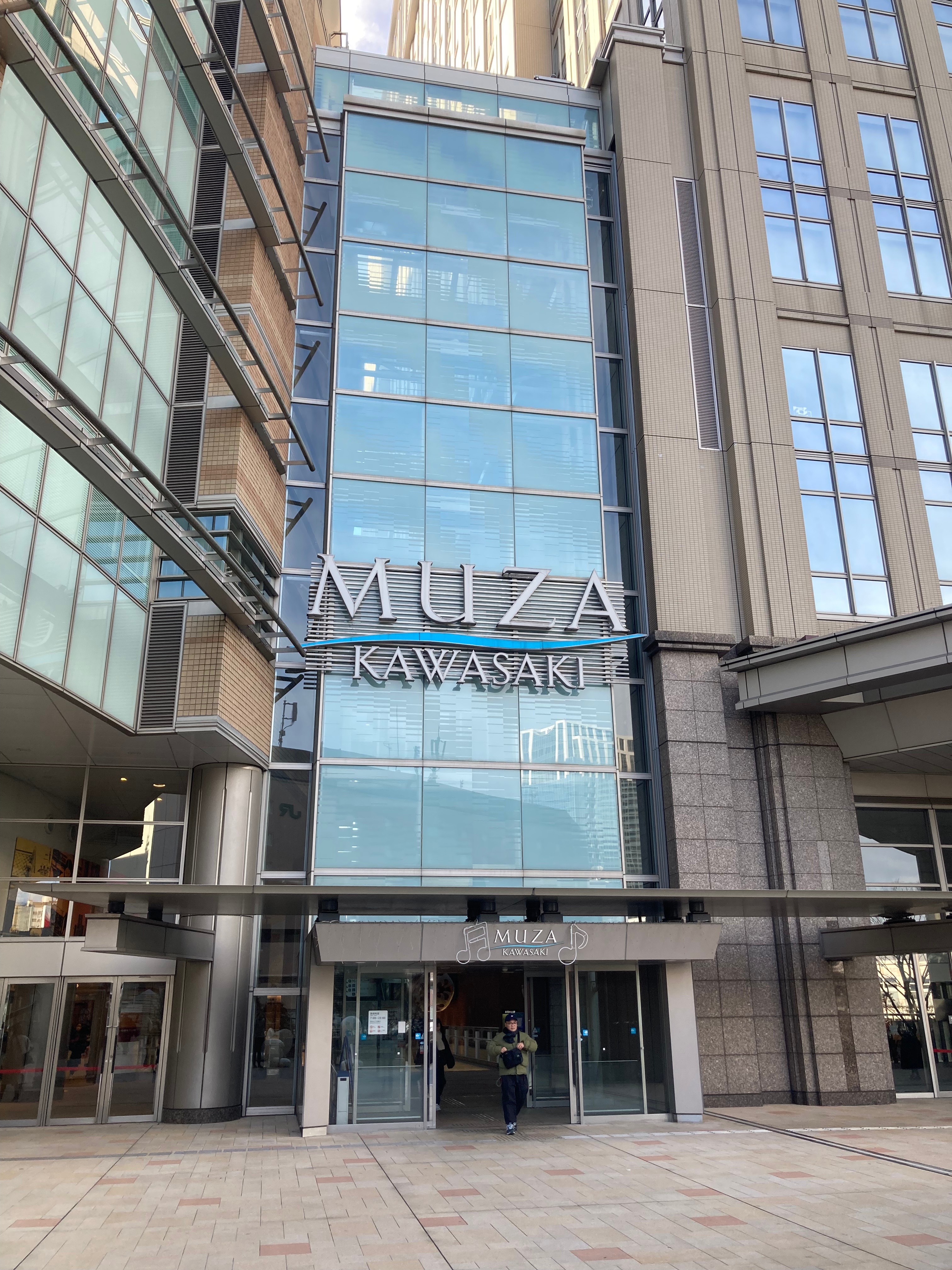
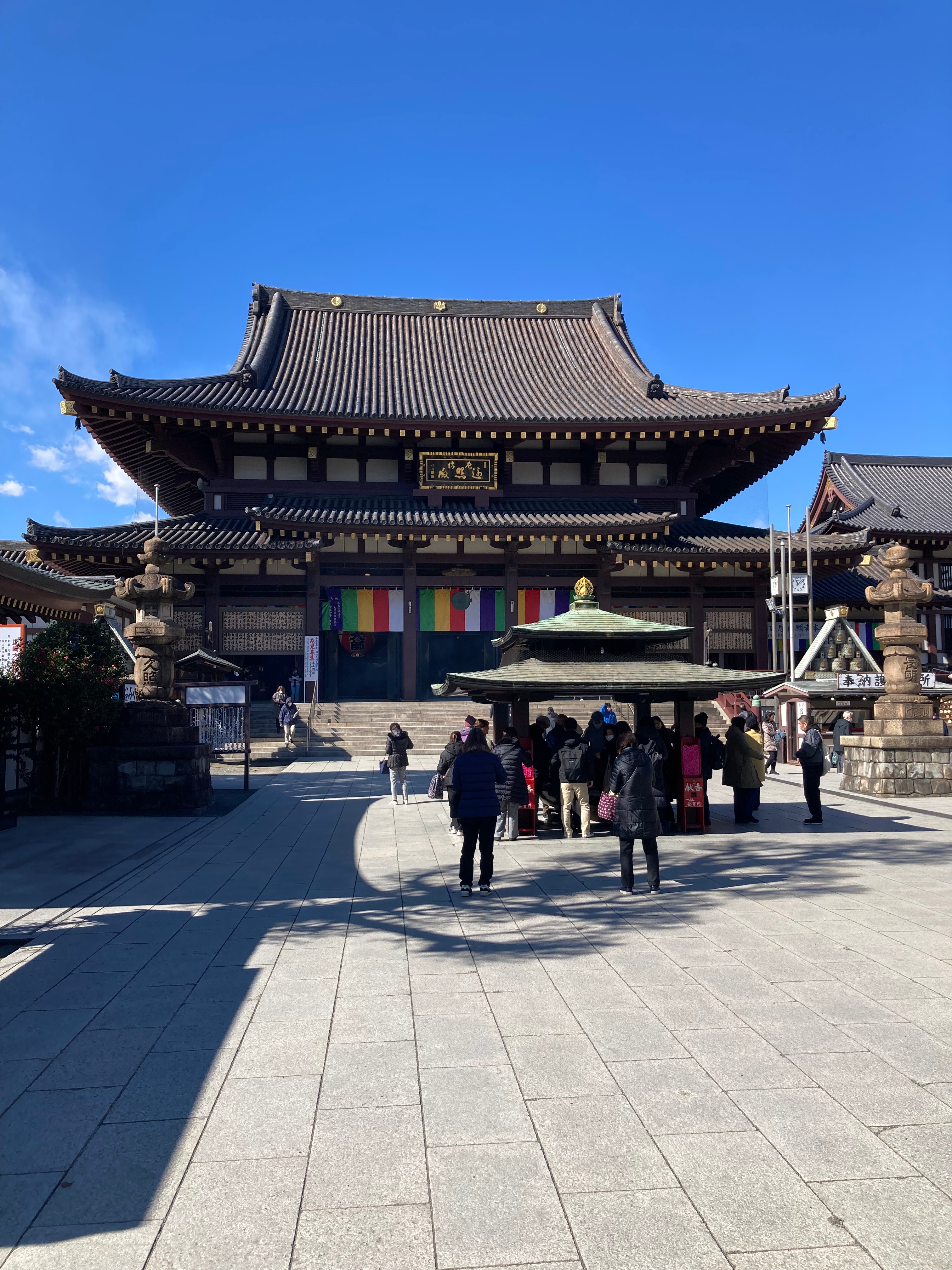
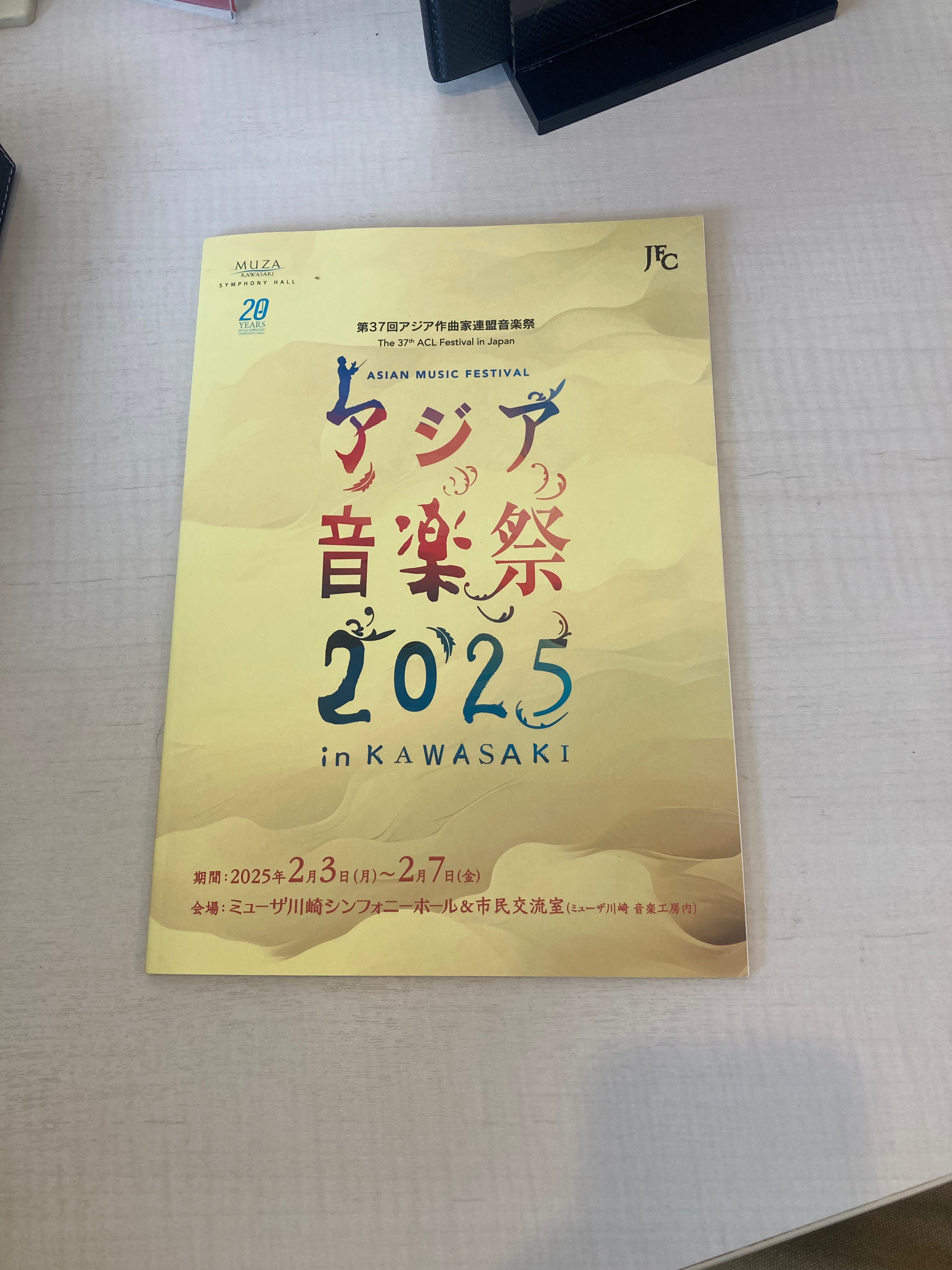
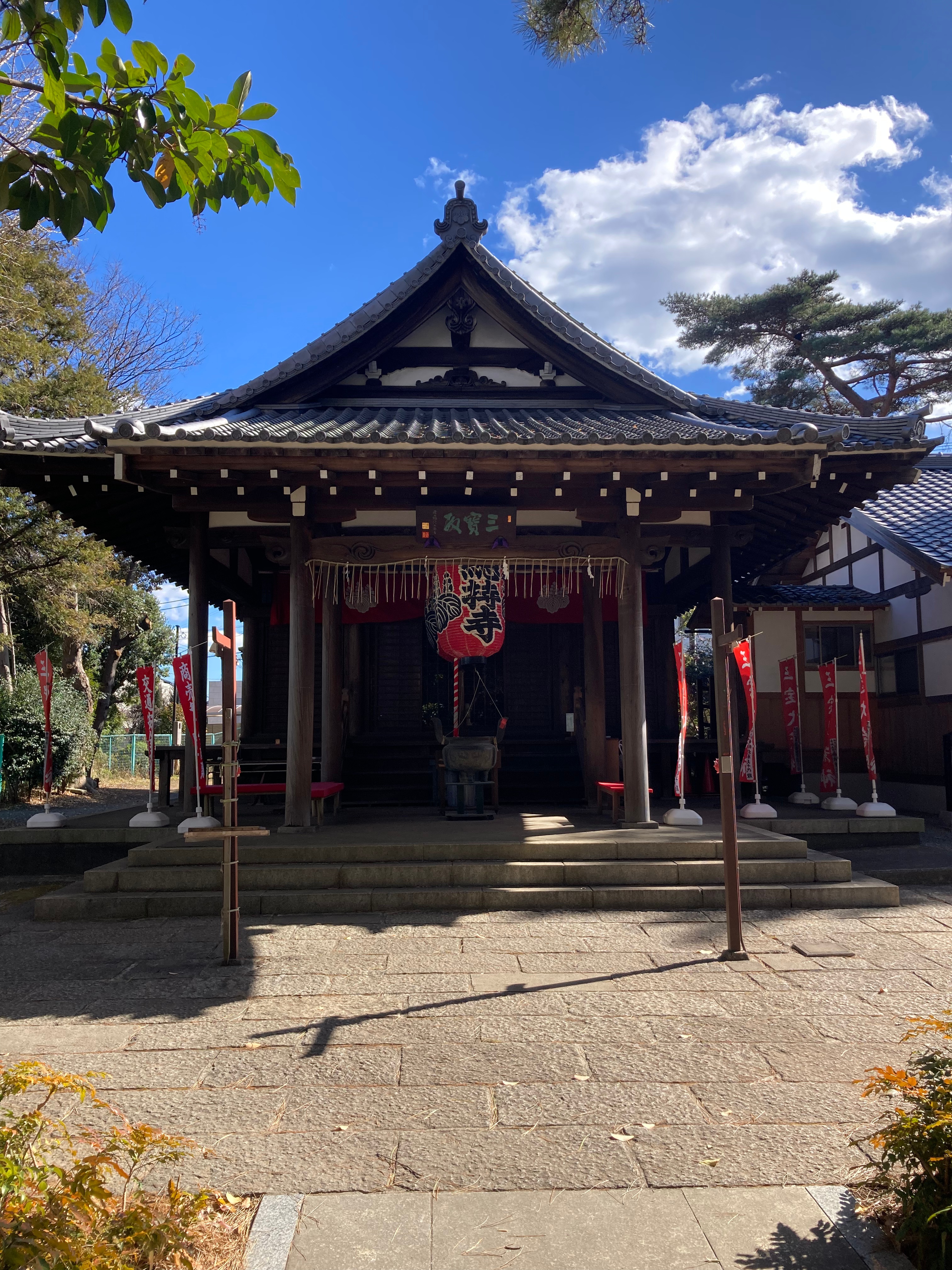
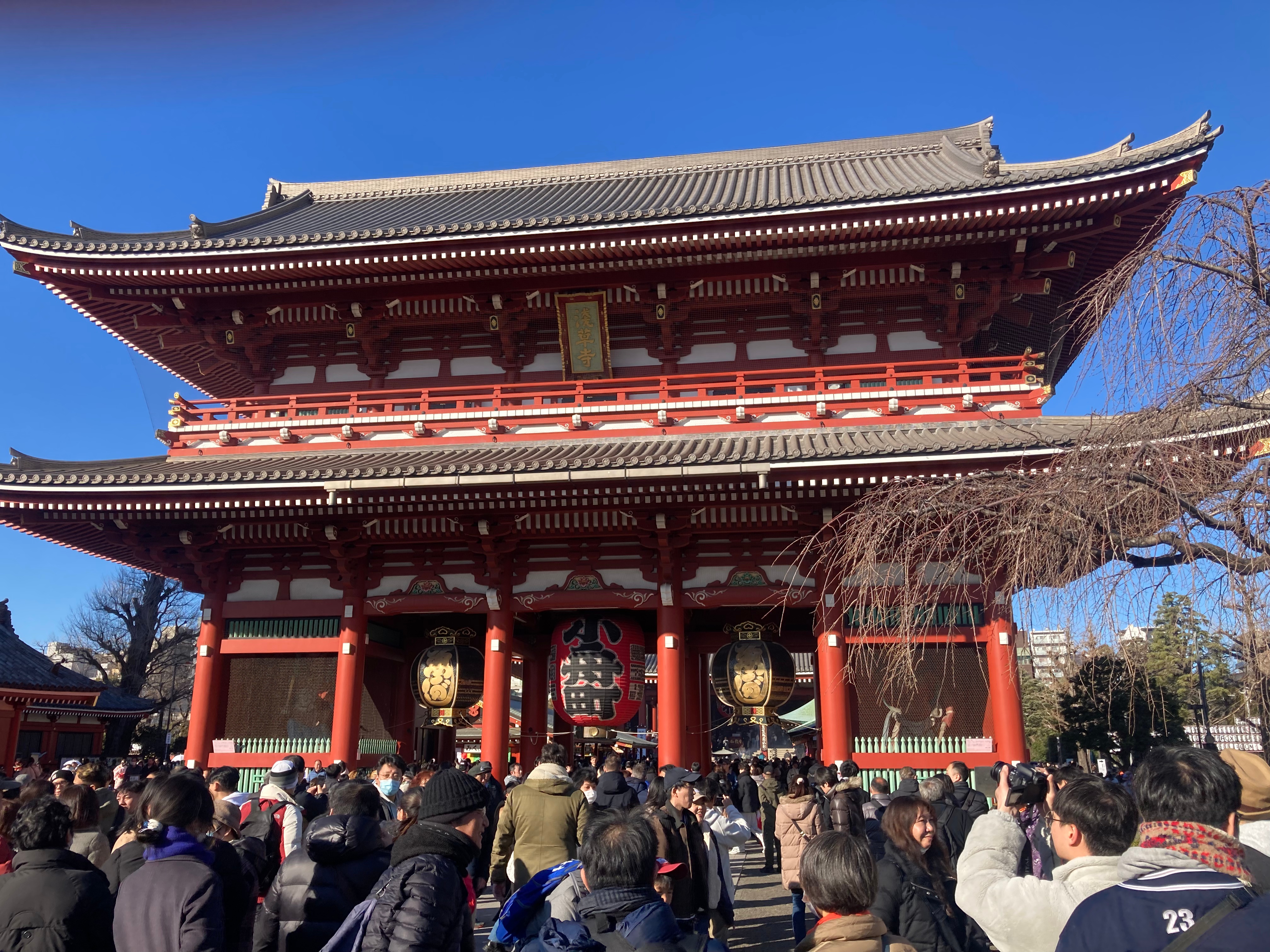
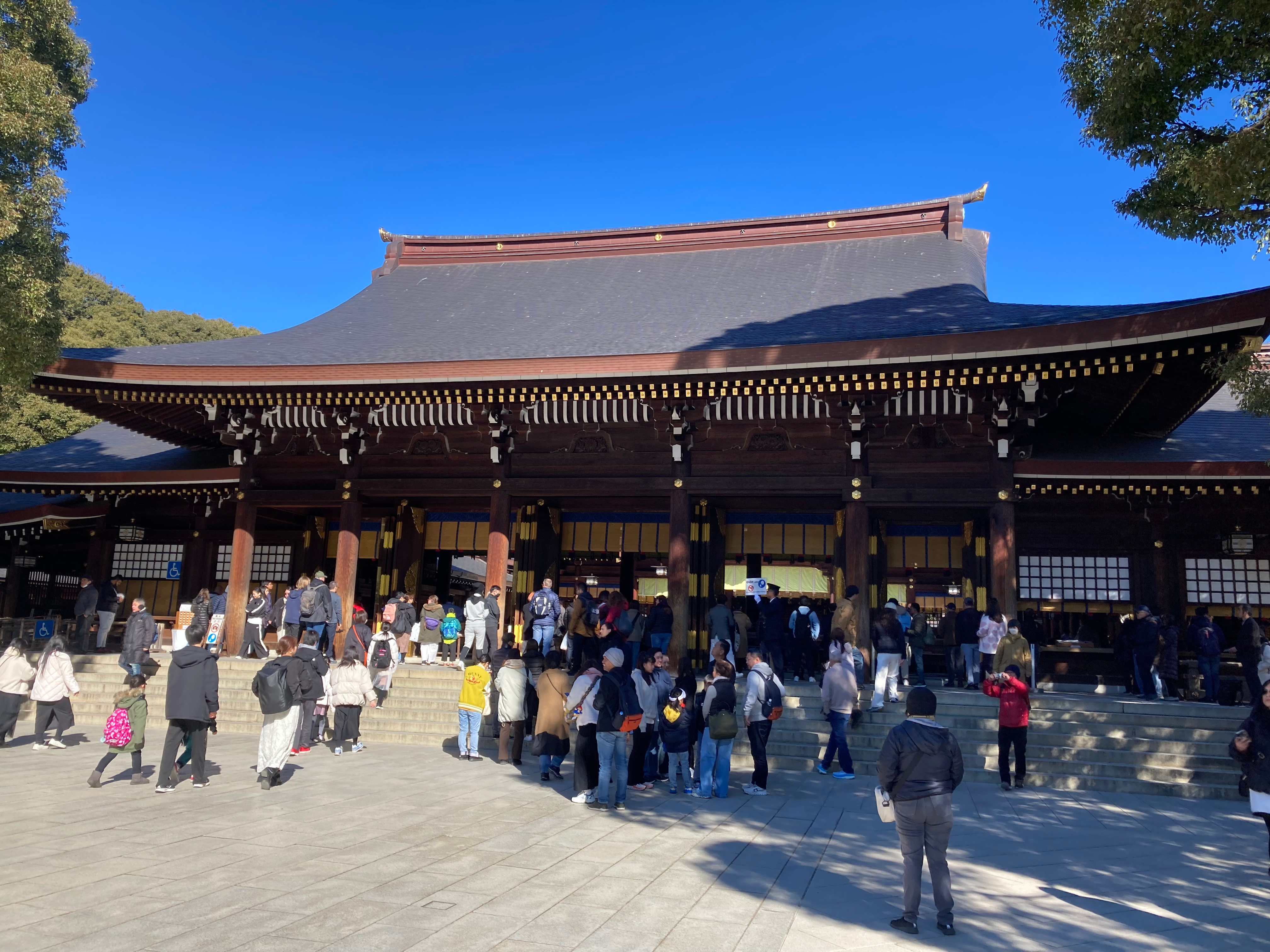
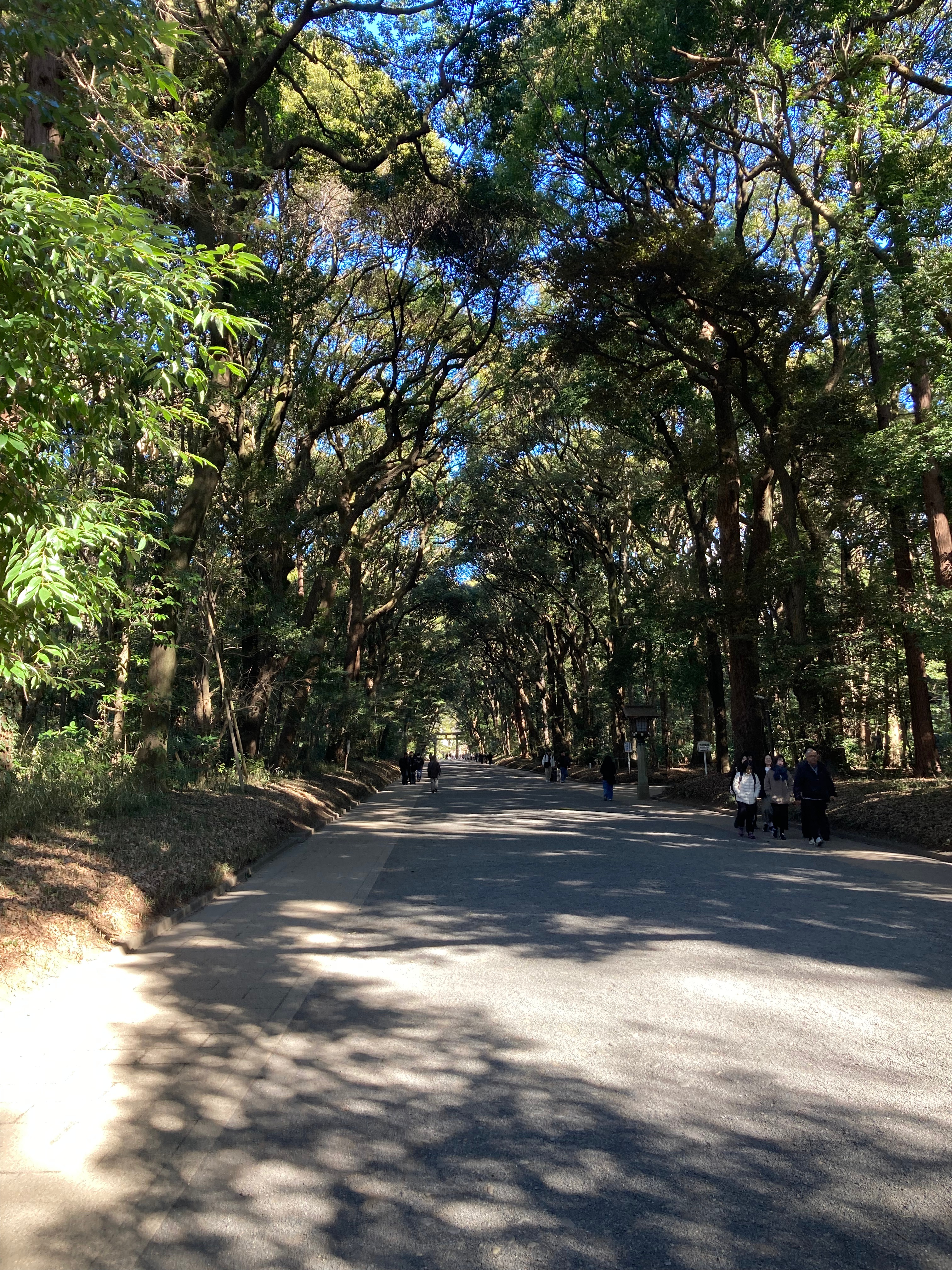
2025 turned into a super enriching if very busy year despite everything going on in the world. It got going with a fabulous trip to Japan in February as part of the Asian Composers League Festival in Kawasaki. I was very lucky to be the Composers Association of New Zealand selection for the young composers competition where my piece these searching tendrils placed third and got a tremendous performance from Oishi Masanori, Egawa Ryoko Tomioka Yuko and Tanaka Takuya. While I was only there a week there was so much I got to see and I loved the feel of the cities I got to visit. A much needed reprieve from the intensity of New York in the middle of winter.
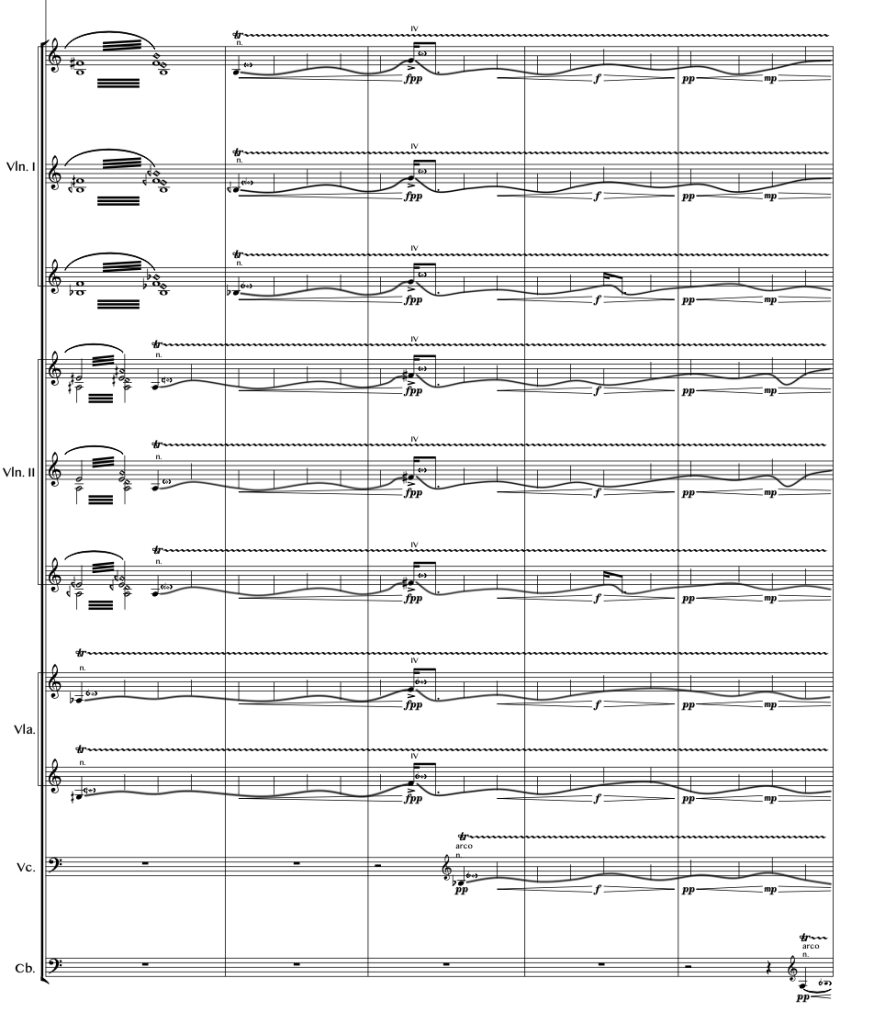
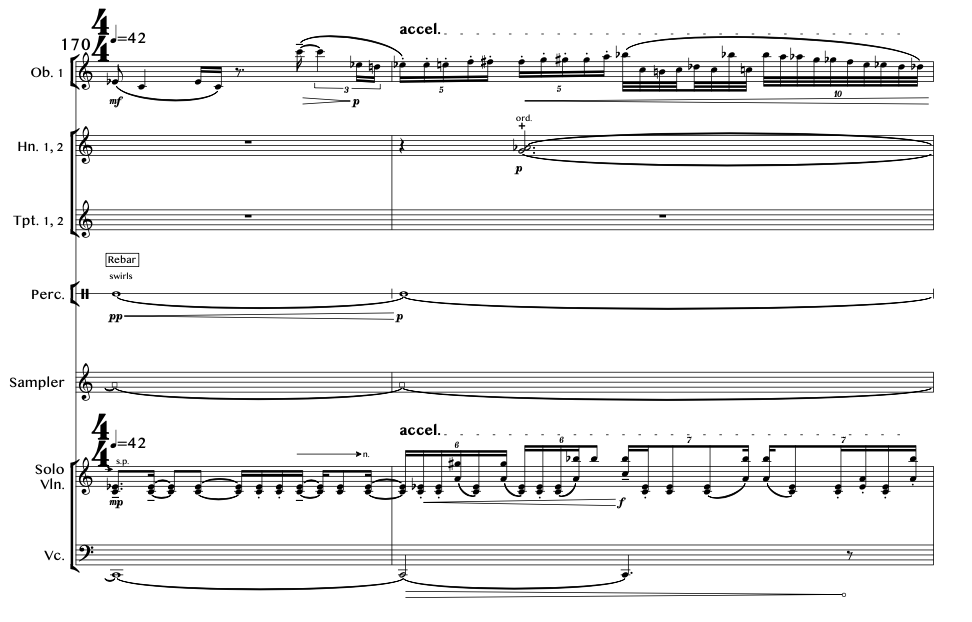
From pretty much the moment I got back to New York in mid February until the last few weeks of December things became so busy they remain a bit of a blur. Once home, I gradually settled into the home stretch of writing this rising tide, these former wetlands a 20 minute work for orchestra and sampler for the Dunedin Symphony Orchestra that explored ideas of adverse weather and its impacts in South Dunedin, New Zealand. This was a really interesting piece to compose. It is the longest orchestral work I have ever written and I found that the freedom and possibility this provided was even greater than I anticipated. The fact the piece was so deeply informed by background ecological and community research in South Dunedin also made the project expansive, slippery, and often difficult to comprehend. I often felt as though through building such an expansive project I lost all ability to see it as a whole, as if I was on the ground in the middle of a large landscape, an unexpected and exciting new experience. It was also strange writing so much of a work so grounded in memory and place away from that place, but having done research both archival and on the ground in late 2024, I had many material and personal connections that I was able to sit with and deeply consider. Writing for the Dunedin Symphony Orchestra, an orchestra I grew up listening to and have played in so many times was also a very meaningful experience. There was so much I wanted to highlight in the orchestra right from the outset of writing and many of the most meaningful moments in the piece were developed out of this knowledge, including the concertmaster and principle oboe solos for important mentors and friends Tessa Petersen and Nick Cornish. I’m incredibly grateful to the Dunedin Symphony Orchestra and Philippa Harris for asking for the piece and to the APRA Art Music Fund and the Creative New Zealand Early Career fund for their support for the works creation and background research respectively.
As I was writing the orchestral piece, I was also making important and thus difficult decisions about where to do my PhD. A huge thanks to to all of you who provided thoughts and advice as part of this process as well as to the incredible people who wrote and have written letters of reference for this and other applications over the last few years. In the end, after weighing up three very enticing offers, I’m really thrilled to have decided to go to the Graduate Center at the City University of New York (CUNY). I was also doing a fair bit of playing in the first half of 2025 which alongside some community orchestra playing included performing for a dance collaboration between composer Ihlara McIndoe and dancer Shira Kagan-Shafman. The video for this project can be found here.
2025 Part II
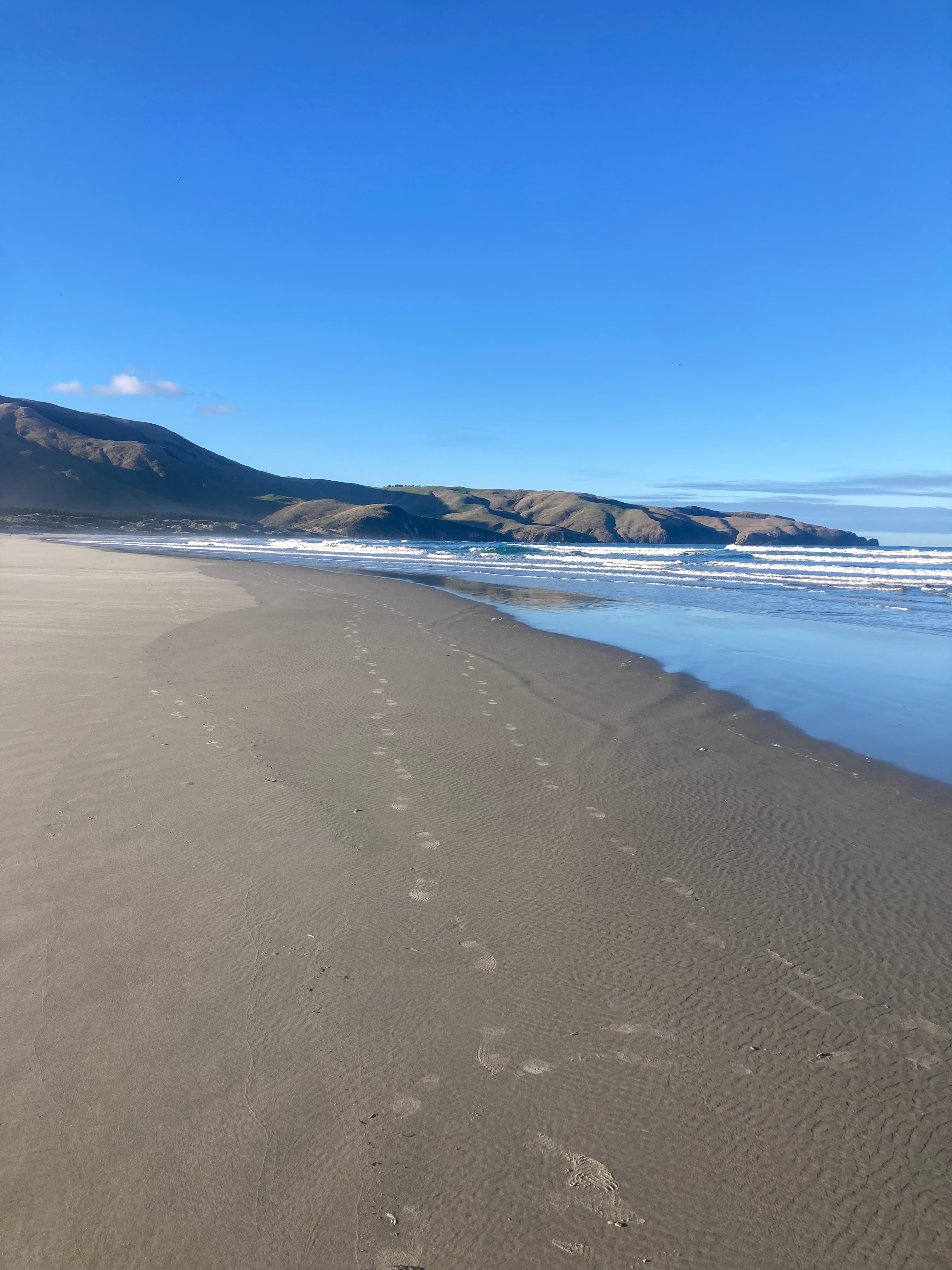
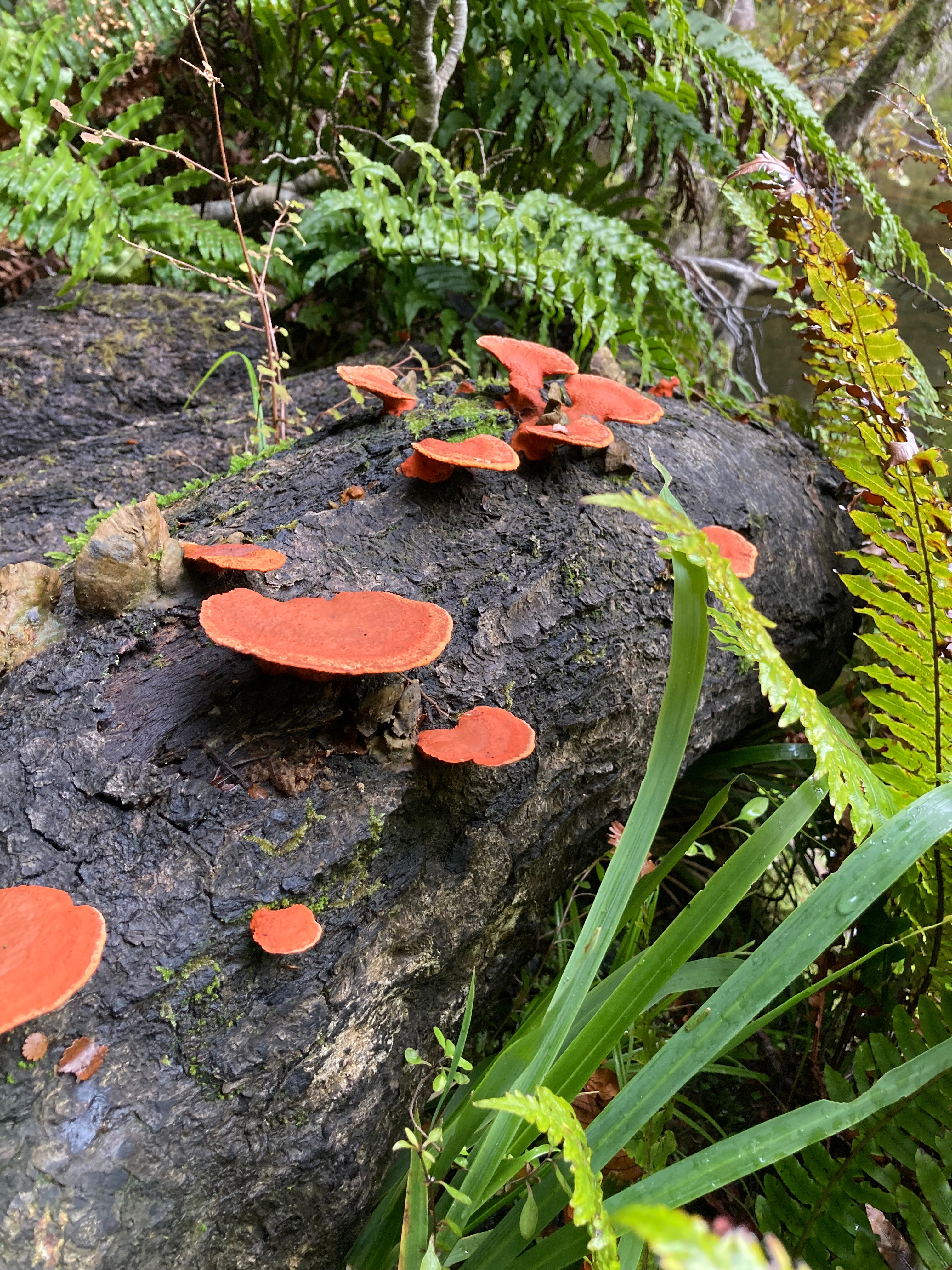
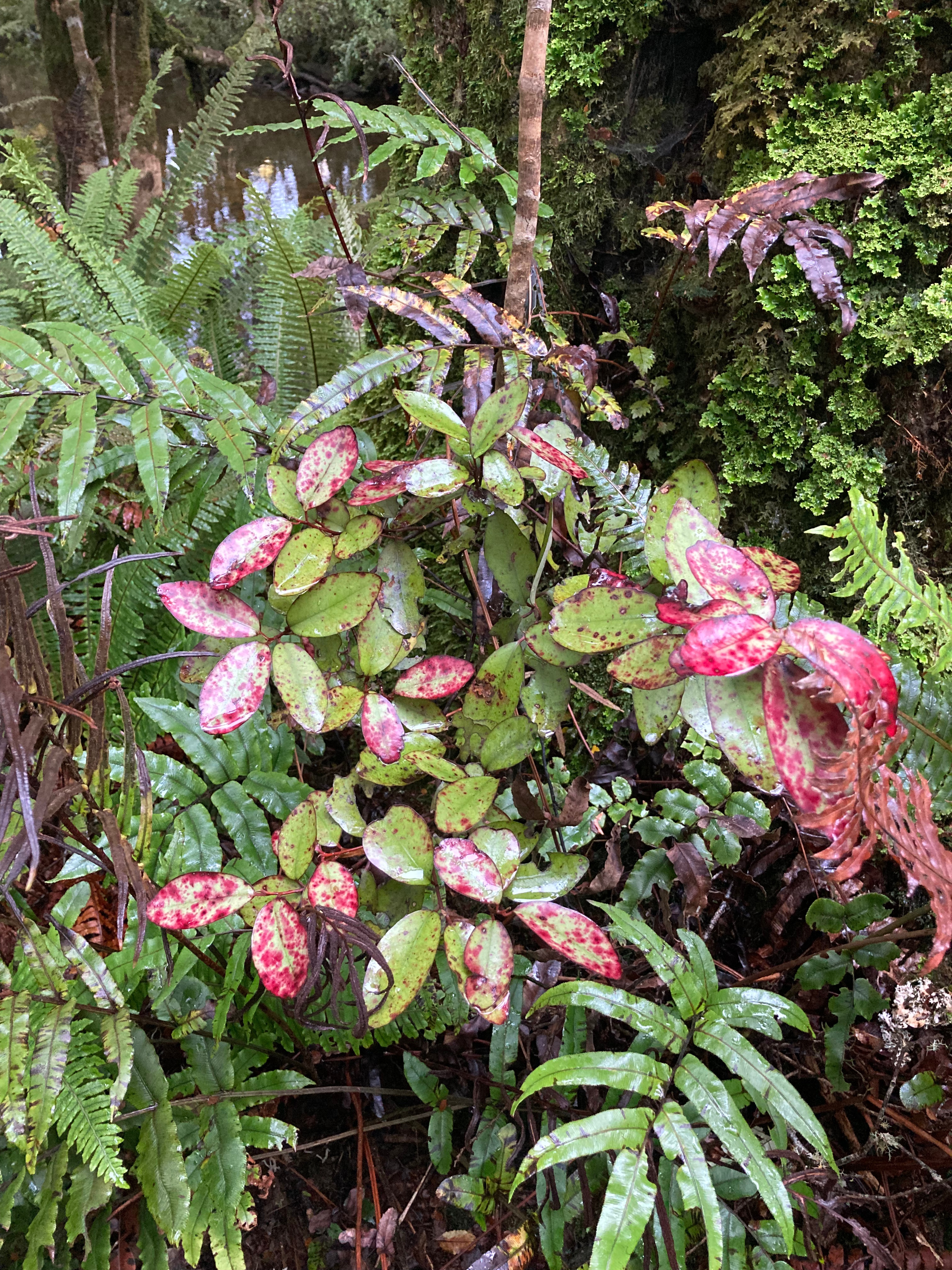
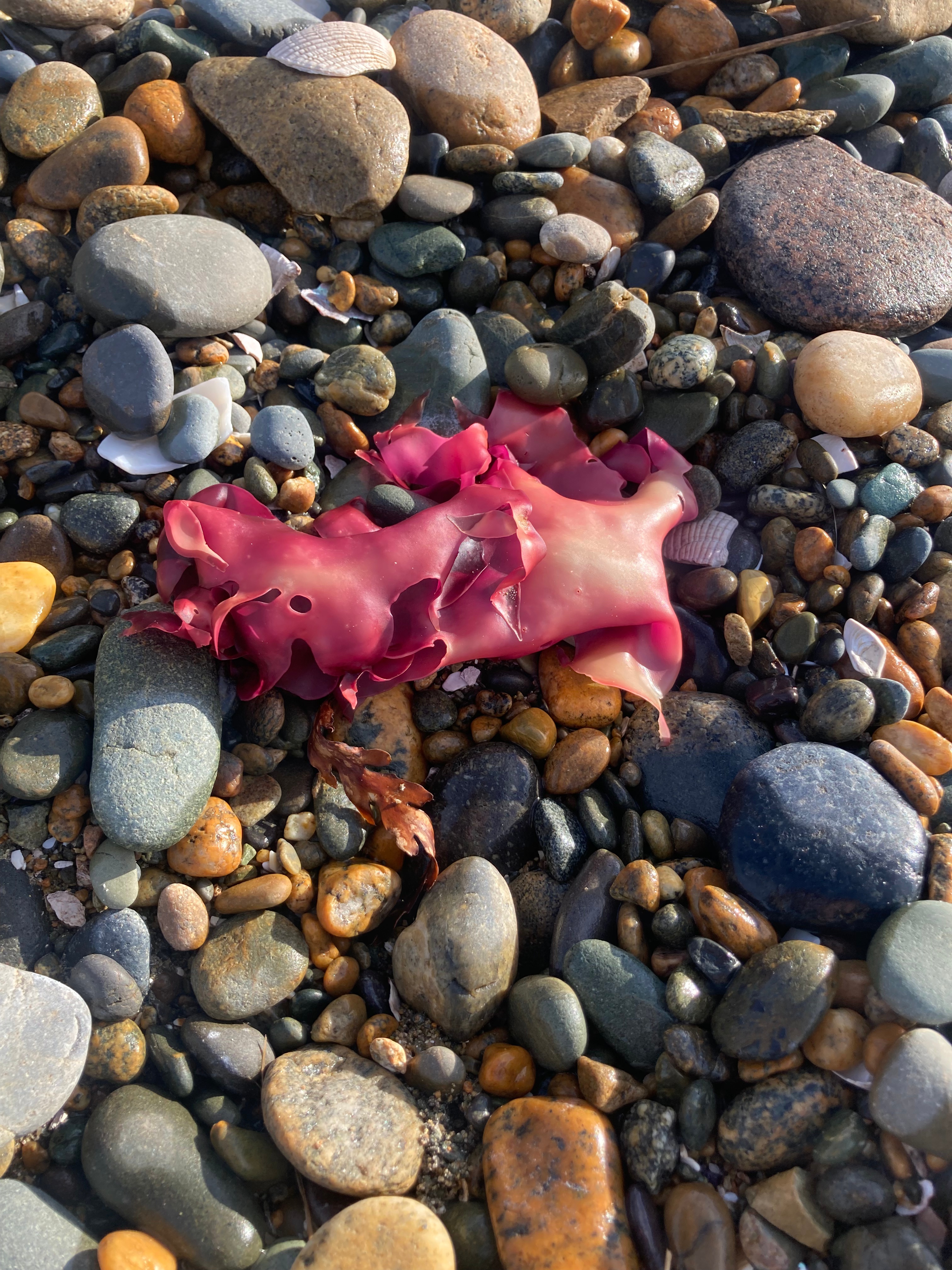
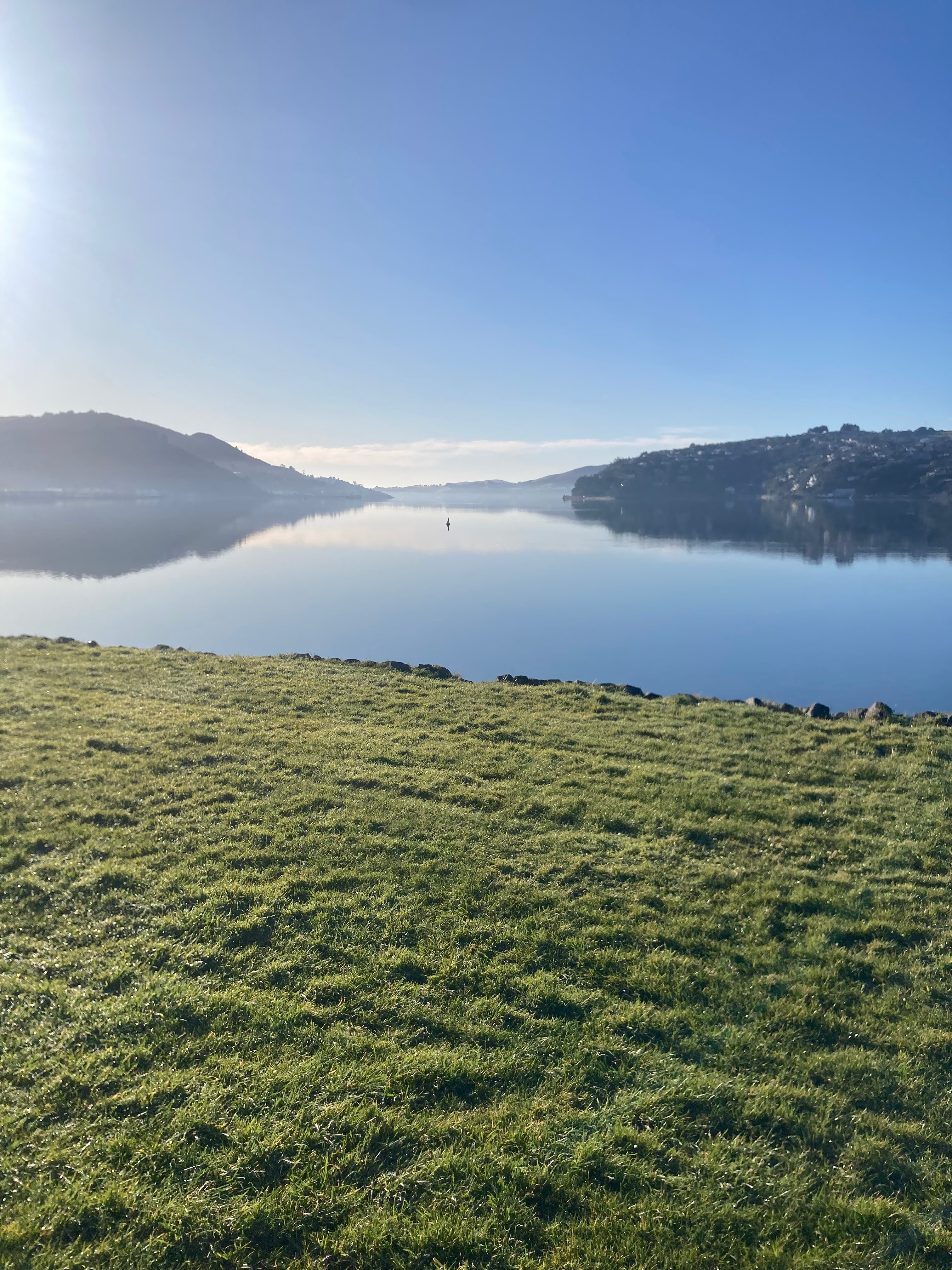
In June, it was lovely to make my way home to Aotearoa for a few months. The opportunity to detox from the city and find moments of quiet and tranquility was revitalising in such an integral and much needed way. The main aim of being back for so long was both logistical visa wise and to really make sure I had the best possible material for the sampler part for this rising tide, these former wetlands.That said as coming home tends to, it quicky morphed into something much more enriching, busy and life affirming. First of all, I made it back just in time to play in the premiere performance of Dame Gillian Whitehead’s new work for the Dunedin Symphony Orchestra (DSO) in June. Being able to play in this premiere was a lovely coincidence as I’d heard so much from both Gillian and Tessa about the piece over the last three years. Playing in the DSO concert in July at my old high school was both fun and kinda strange and I also did a solo concert at the Dunedin Public Art Gallery in early August. Unfortunately, due to player illness, a planned new music concert at Hanover Hall in Dunedin was unable to go ahead but it was still lovely to get to do the few rehearsals we did have with the players. It wasn’t all playing and work while back, however, I did manage to get away for a few days in Southland with family in early July.
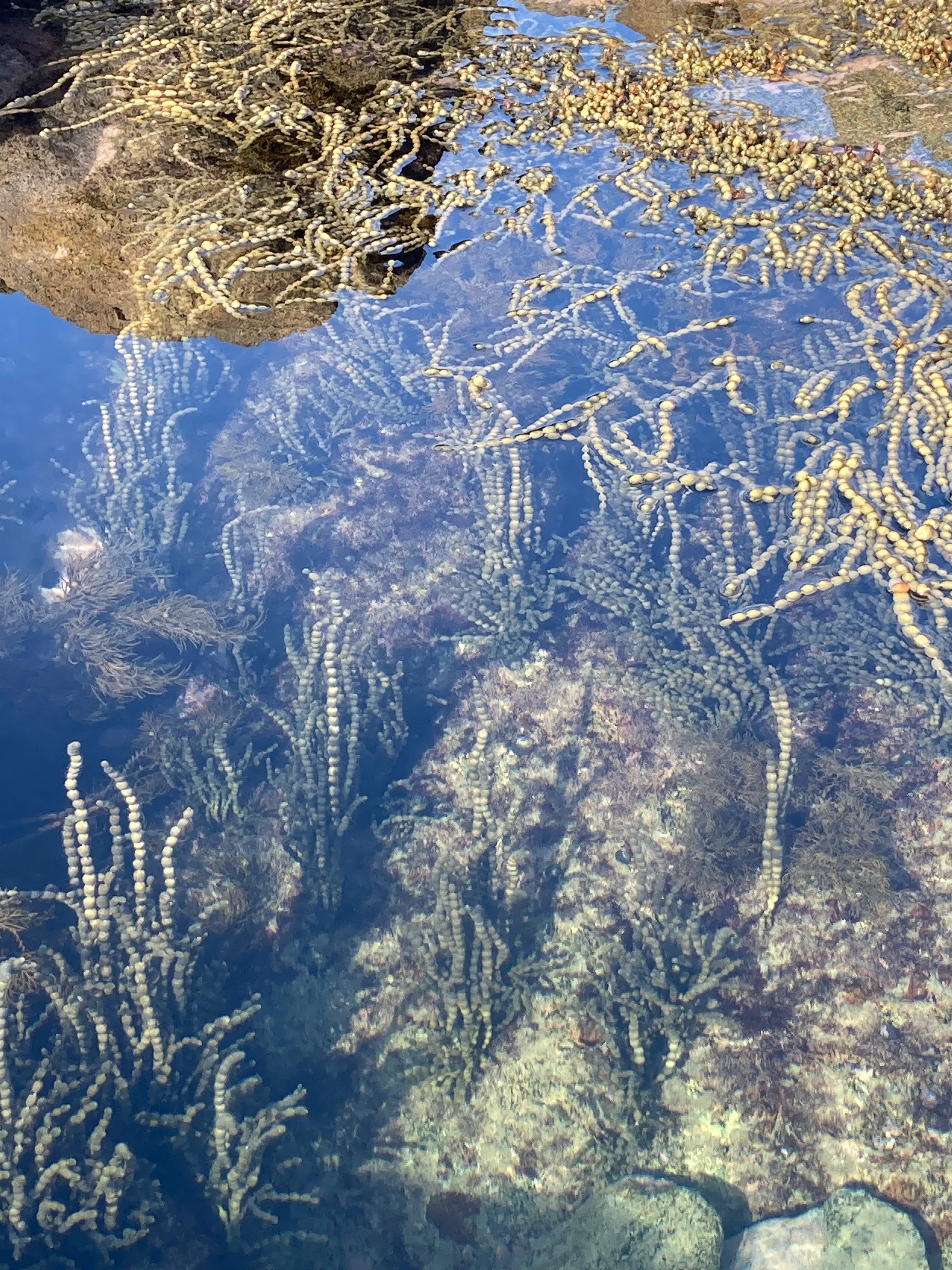
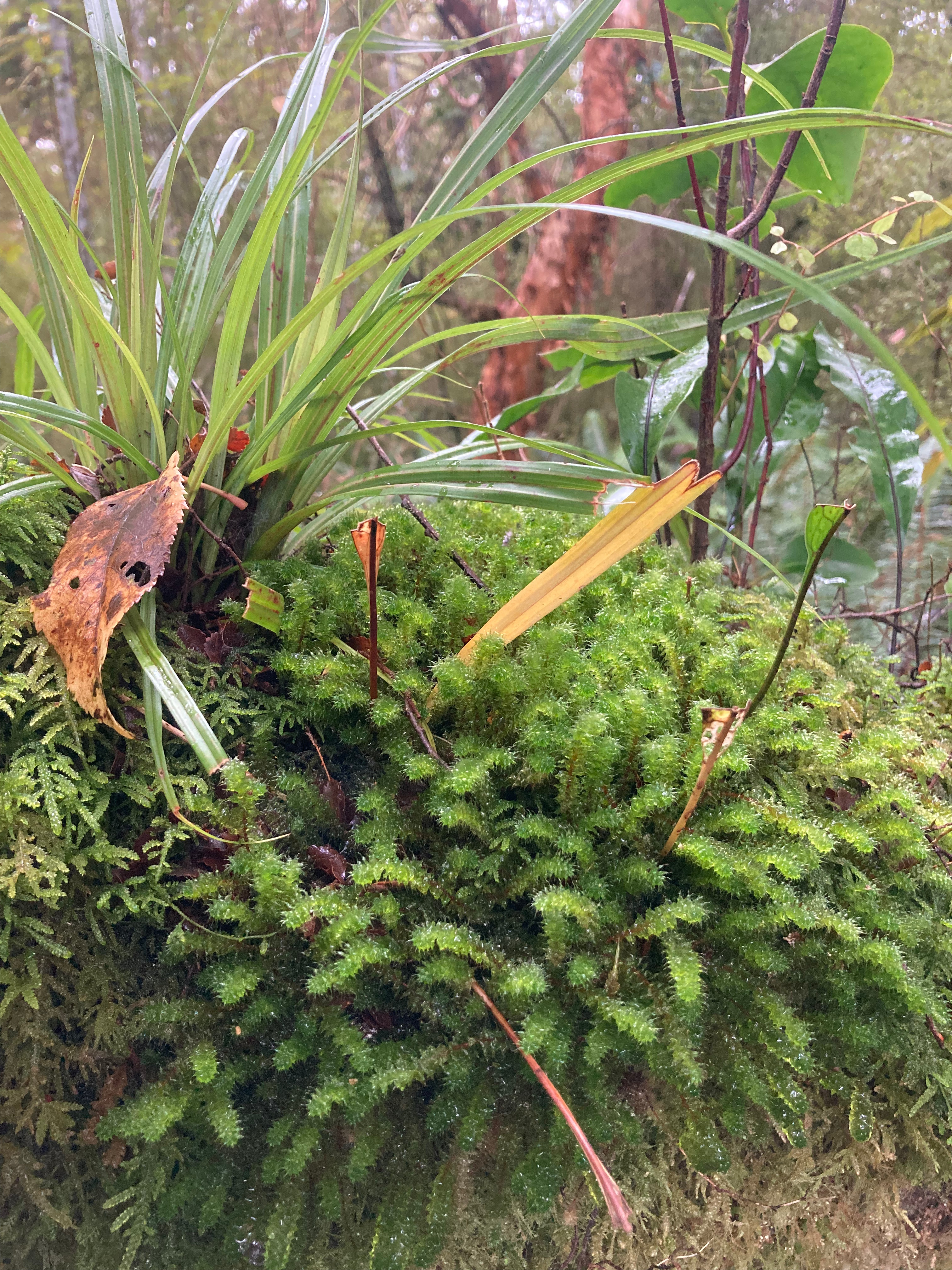
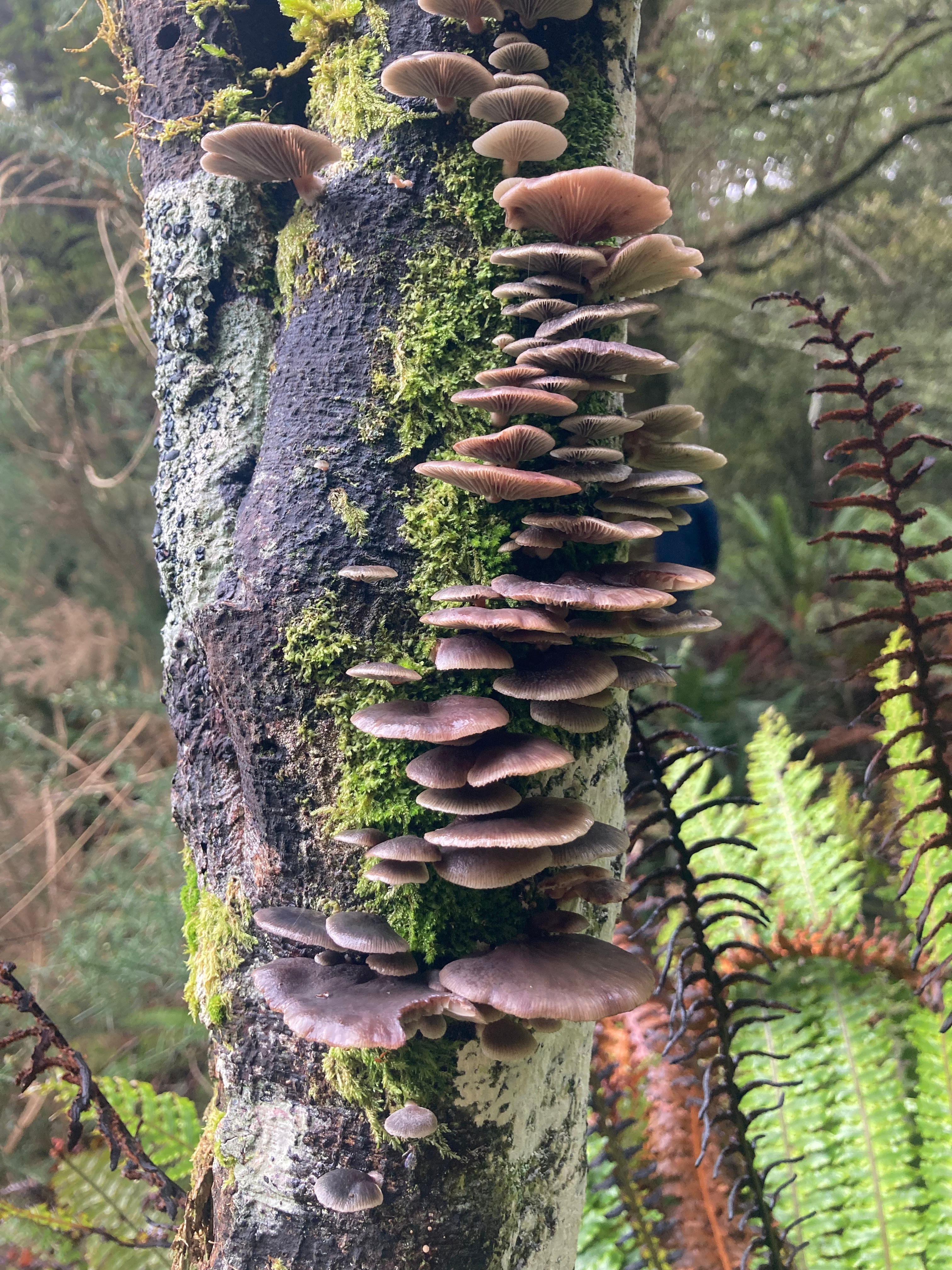
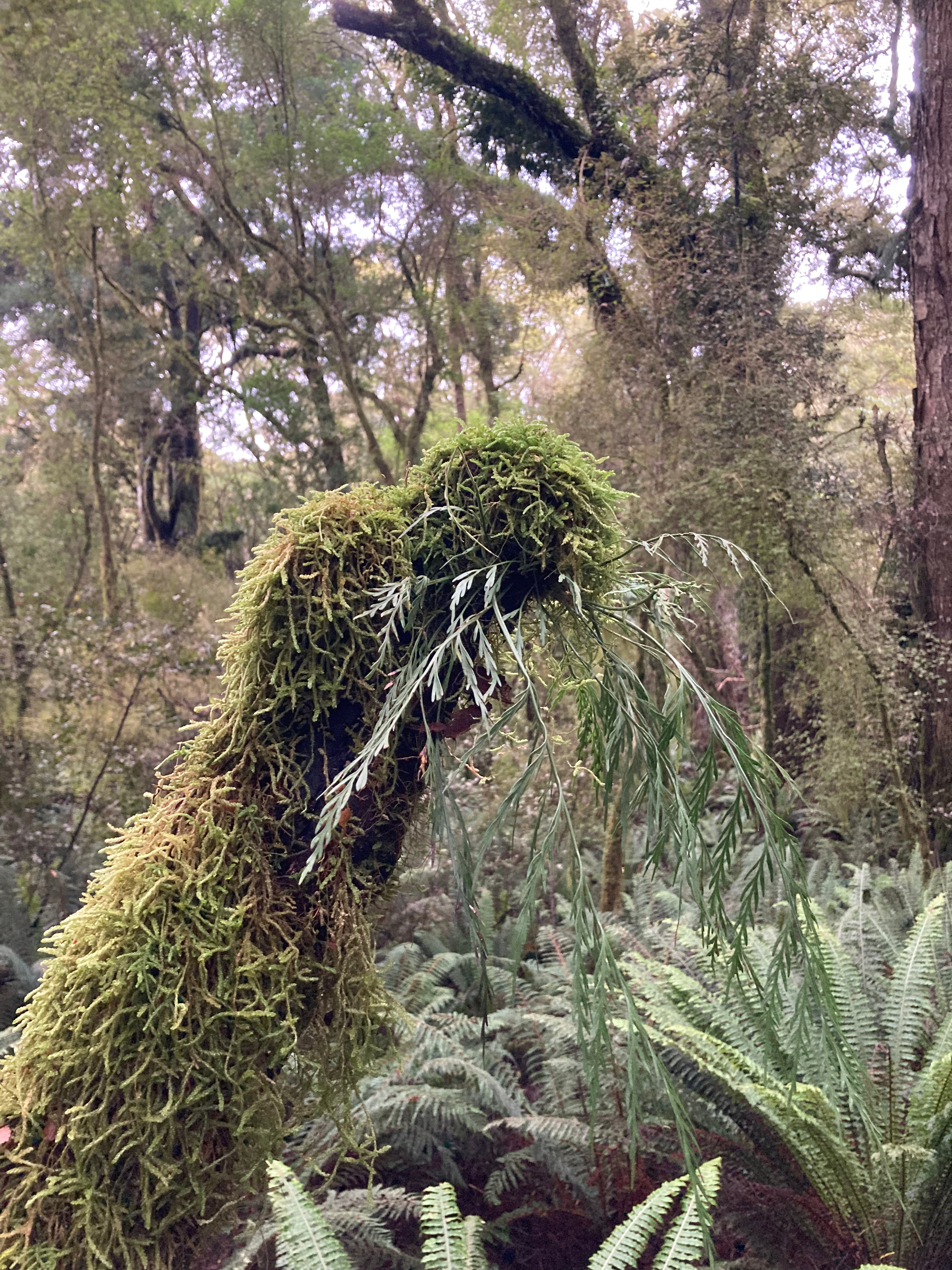
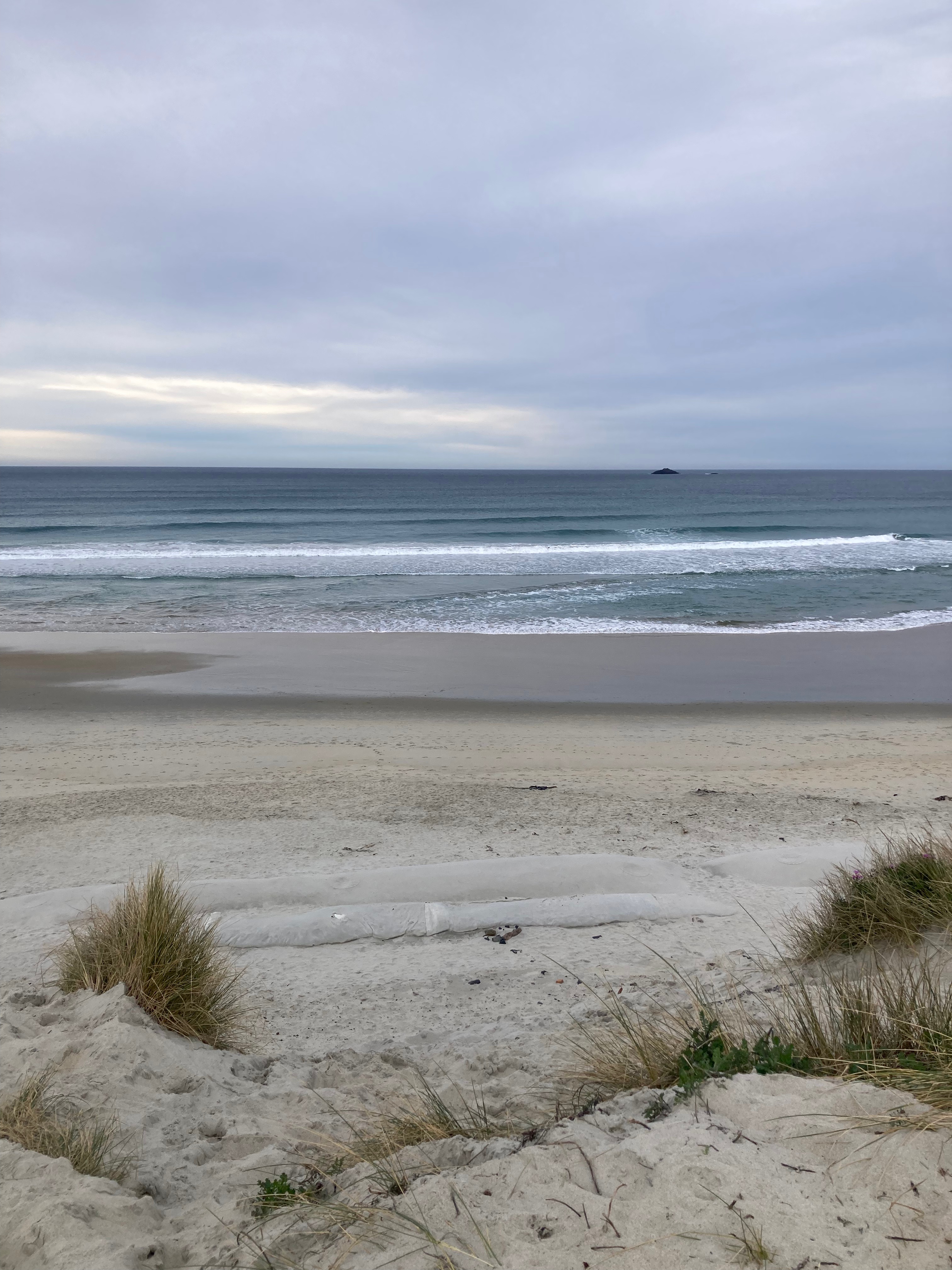
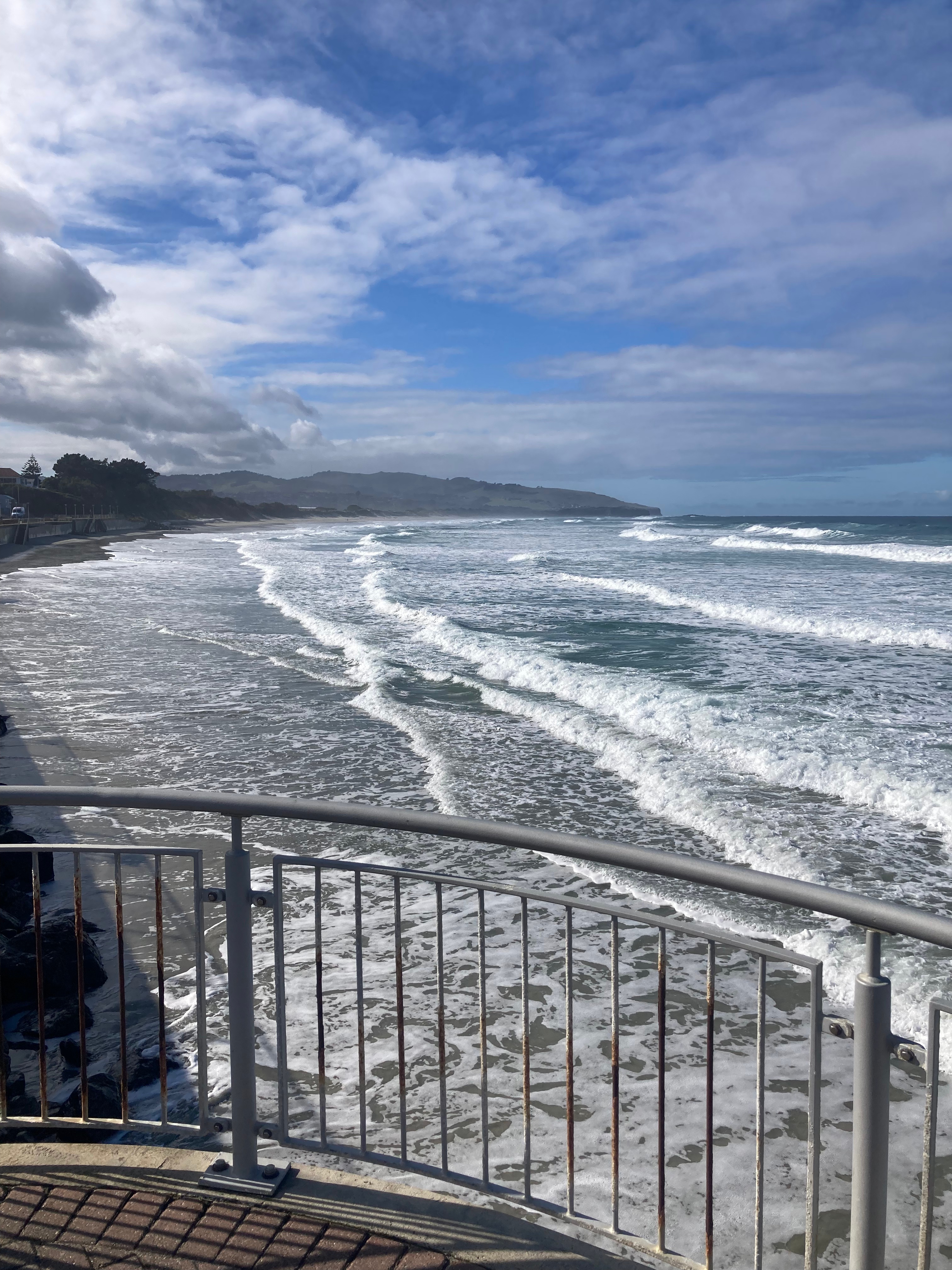
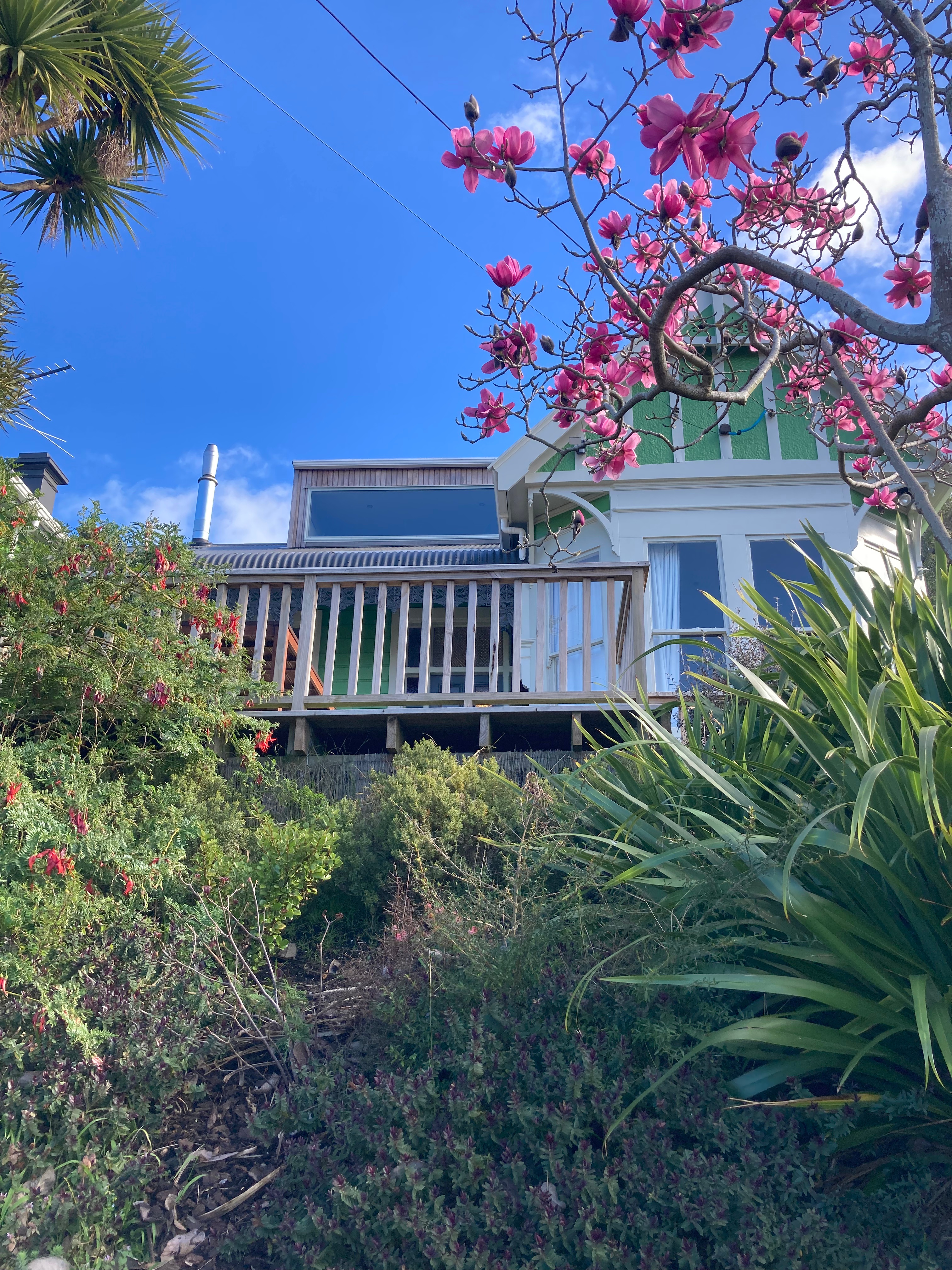
While back in Aotearoa, I was also asked to fill in and take on some lecturing at the University of Otago. Over the first four weeks of semester two I ended up delivering 36 lectures across first, second and third year composition and first year music theory. This made for four wildly busy weeks but it was so enjoyable and rewarding. I got to meet so many fantastic young musicians doing all sorts of wonderful things with their music and it was strange if a total delight to get to be on the other side of some of the papers I myself took in undergrad. Huge thanks to everyone who supported me as I navigated all this including Maddy Parkins-Craig, Peter Adams, Anthony Ritchie, Andrew Perkins, and Henry Johnson.
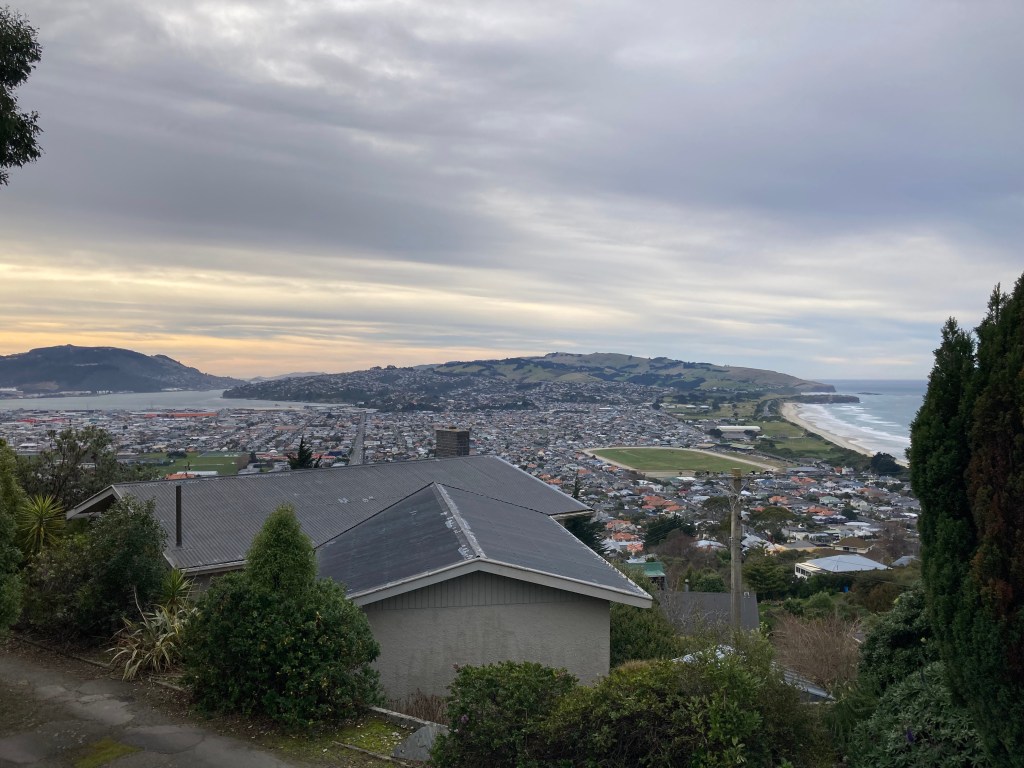
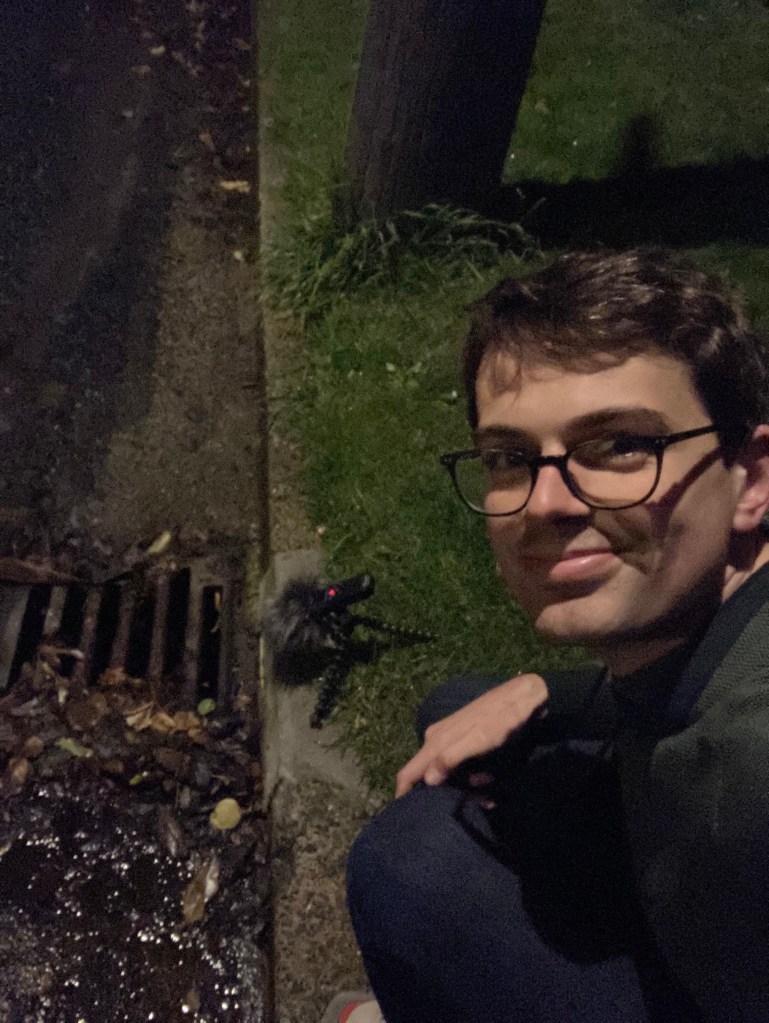
While all this was happening. I was also doing interviews, research and community engagement work for the sampler part of this rising tide, these former wetlands. For the most part, this involved getting higher quality and more detailed audio recordings of interviews and environmental sounds that I’d scoped out in October the previous year, but it also involved attending community hui and connecting more in-depth with organisations such as the South Dunedin Community Network and Dream South D who are heavily involved in the flood response and mitigation advocacy in the community. This work was so important to do and to leave good time for as there was so much in this time that I learned that transformed the scope and direction of the sampler part and deepened the resonance of the project and the piece.
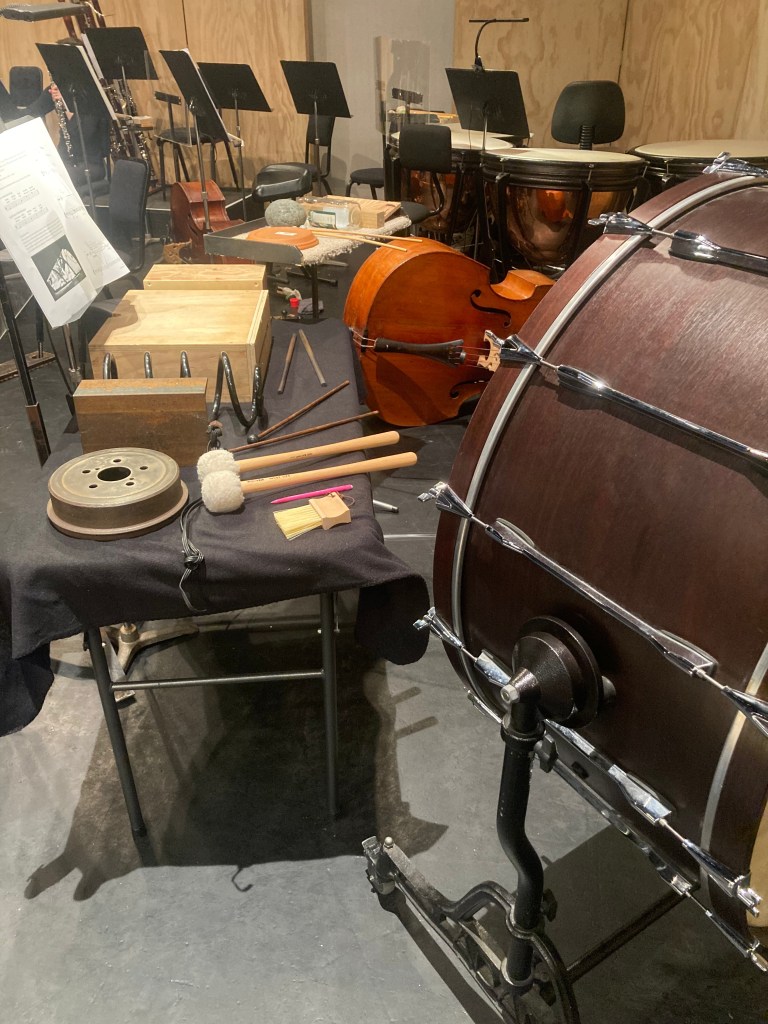
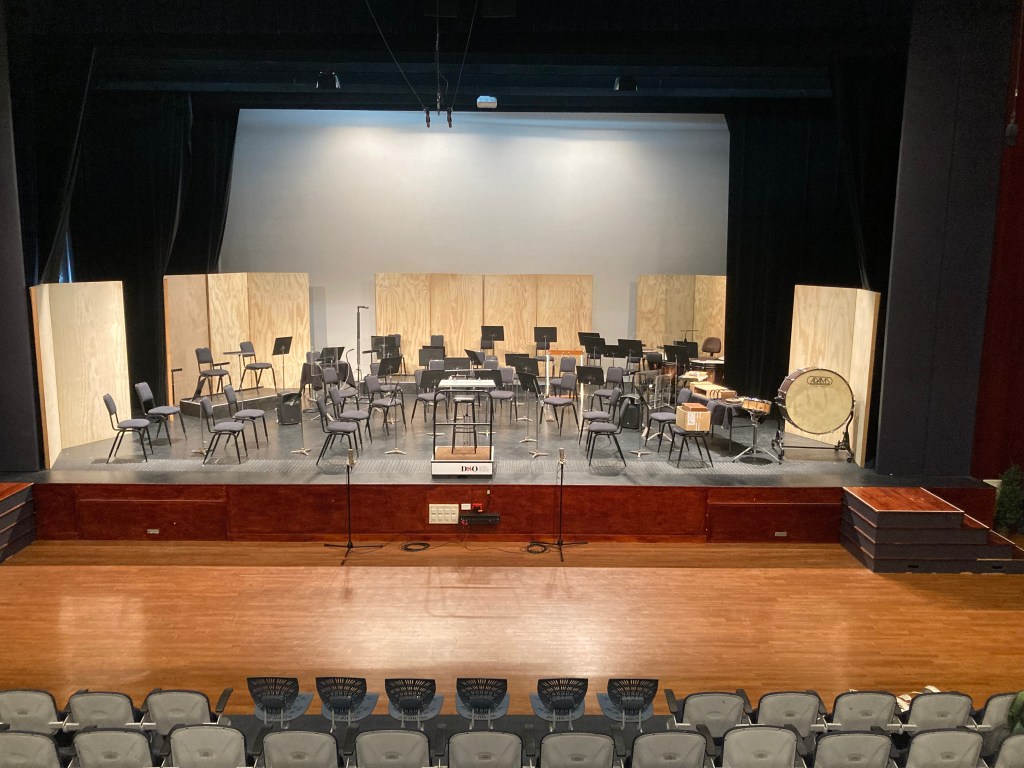
The week after I finished giving lectures, it was time for the performance week for this rising tide, these former wetlands. It’s always a strange feeling as a composer to be in rehearsals as so much of your work has already been done. I thought that maybe having the sampler part would make this aspect seem less strange as there was still going to be tinkering and improving to be done on my end, but honestly this didn’t really happen. In fact, it just added an entirely new odd component to the whole thing as I was dealing with balancing tracks with spaces and speakers and people while also trying to do the normal work of listening for the most minute of score details I’d decided upon months earlier. It was all absolutely worth it though as it was such a fun week with two fantastic performances and so much thoughtful feedback from many different people. I’m so thankful to conductor Brent Stewart for his dedication to the work as well as to each and every one of the players who made it such a special and memorable week.
2025 Part III
After the week with the Dunedin Symphony Orchestra it was quickly back to New York to begin coursework towards my doctoral degree. As anyone who has ever studied overseas will know, the admin side of beginning at a new school can be super intense and it took several weeks to get on top of all the paperwork, forms, and portals I needed to know in order to function properly in the new environment. Once the administrative side of things settled, however, the semester was immensely enjoyable, particularly the Critical Approaches to South Asian Music class which was a completely new and eye-opening area of scholarship for me. It’s always interesting to compare impacts of and responses to colonisation across diverse geographies and so this was a super useful introduction to this in South Asia.
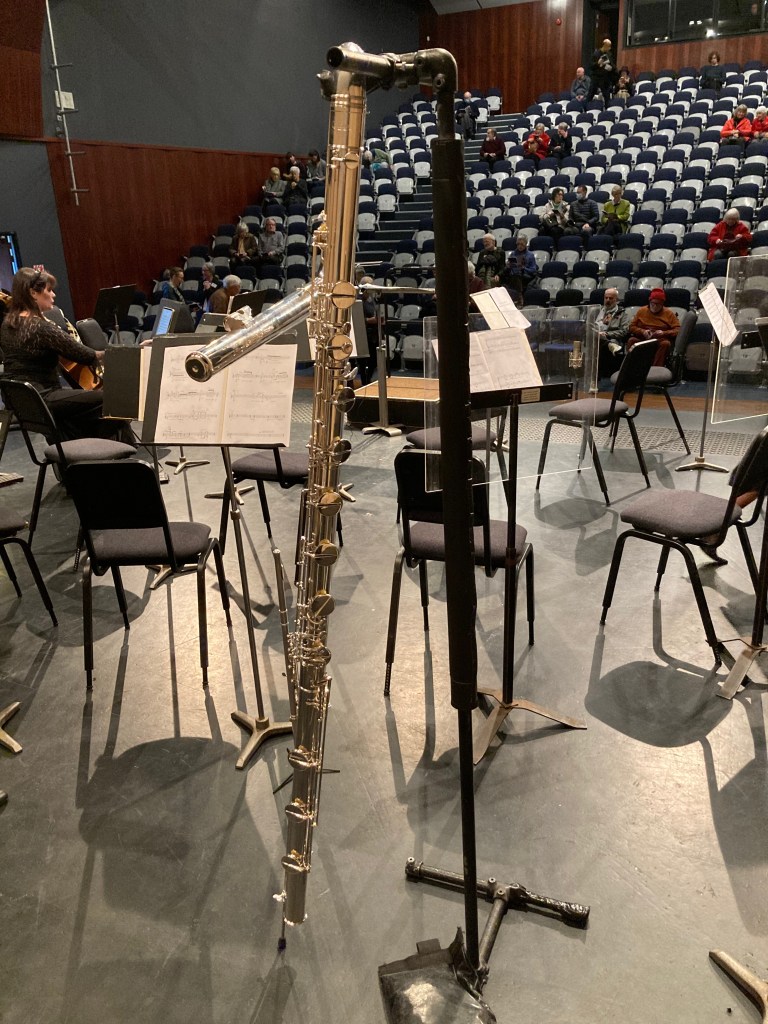
In amongst everything from June-August I had also been working on another new piece as i cry out, across this whispering garden. This is a work for the fabulous young ensemble Semblance whose members live and work in the new music scenes in Canada, France, Germany and Switzerland. It was a follow up commission to my attendance at the Royaumont Voix Nouvelles Academy in 2022 and the work was generously supported by Fondation Royaumont, Christine Jolivet Erlih and the Fondation Francis et Mica Salabert. Semblance were an absolute delight to work with and you should absolutely check them out. They are such a fantastic group of super open and collaborative musicians who understand the way composition gets done in such an integral and caring way. They were all so generous with their time as we met both individually on zoom to discuss their instruments and personal preferences, and then in late June when they took time out of their rehearsal schedule for another project to workshop some in progress sketches as an ensemble. This multi-step process improved the piece I ended up writing immeasurably as it allowed me to see what best enlivened the group as a whole and gave me the confidence to delve deeper into that material whilst discarding the material that was less resonant. In that way, the piece became a sort of gardening even as I tried in the piece to critically consider what a garden even is in the present moment.
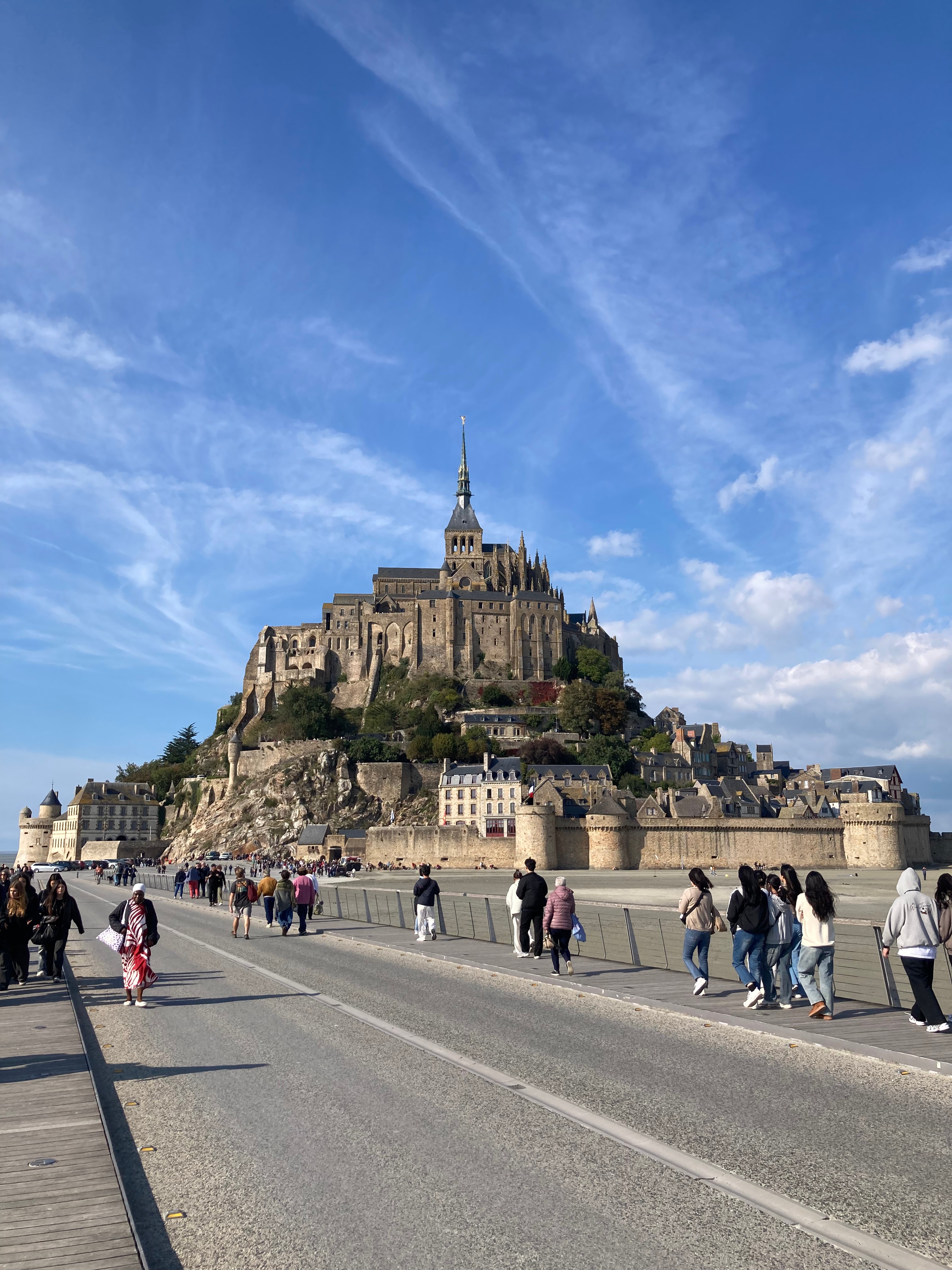
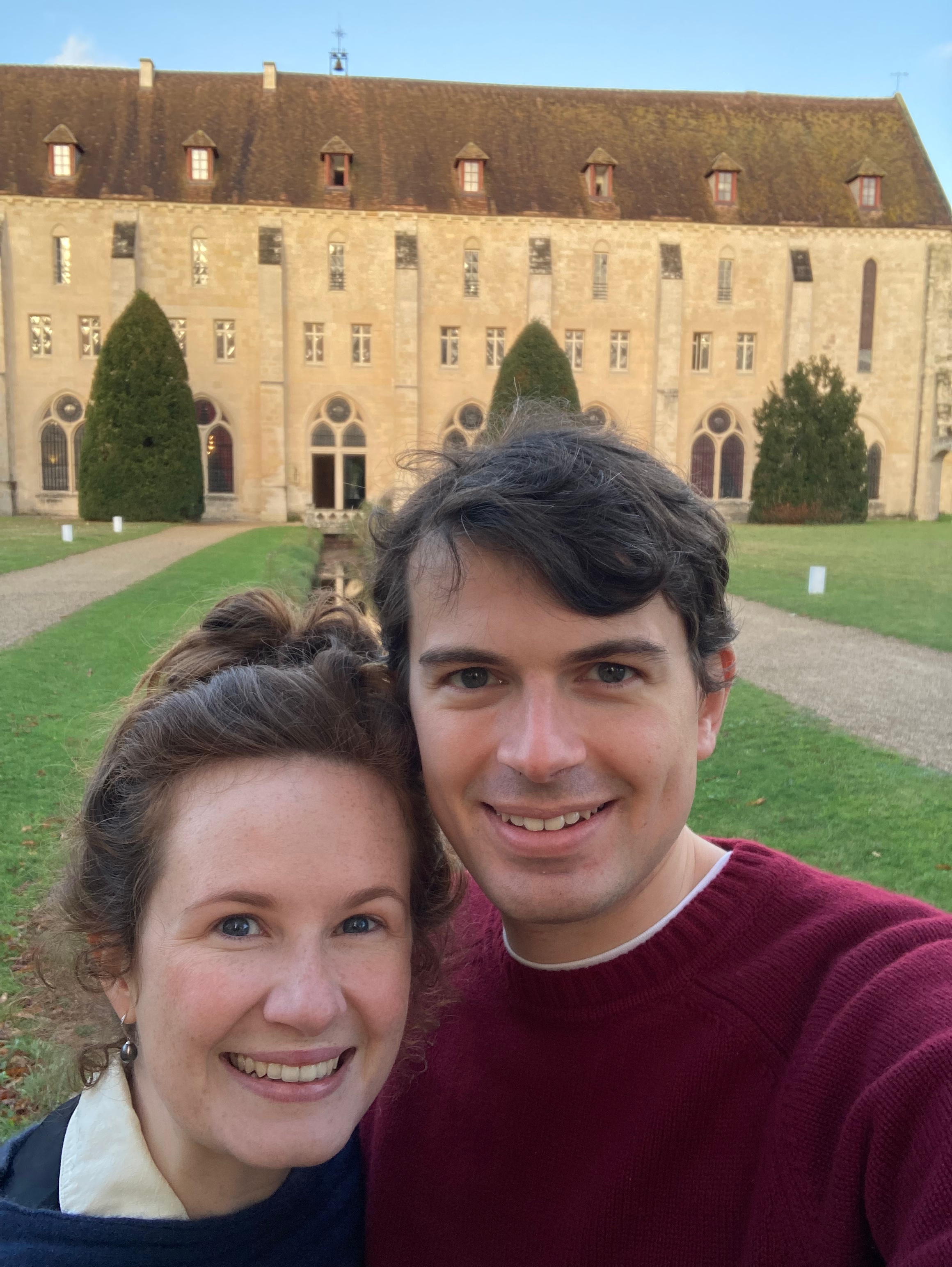
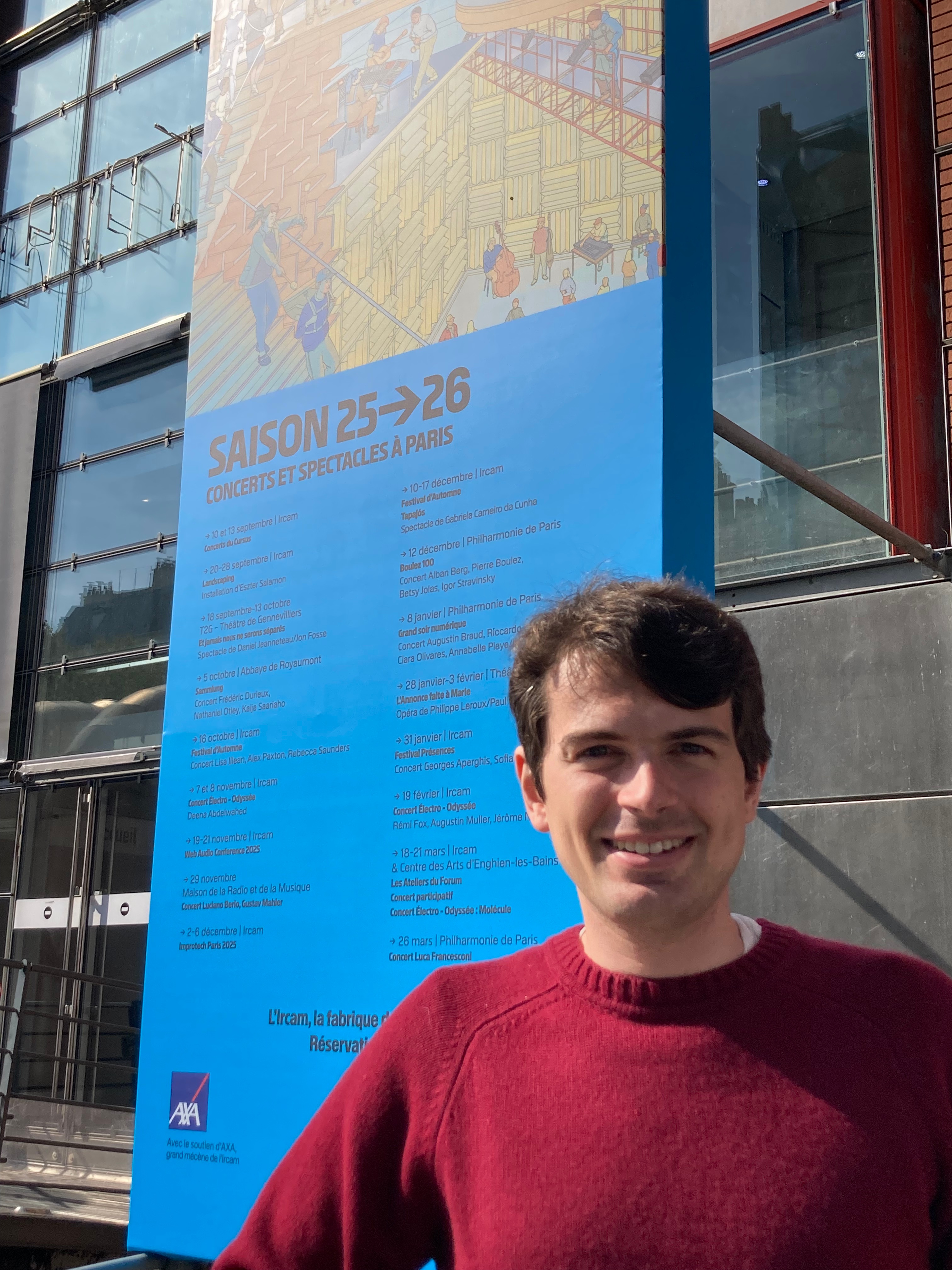
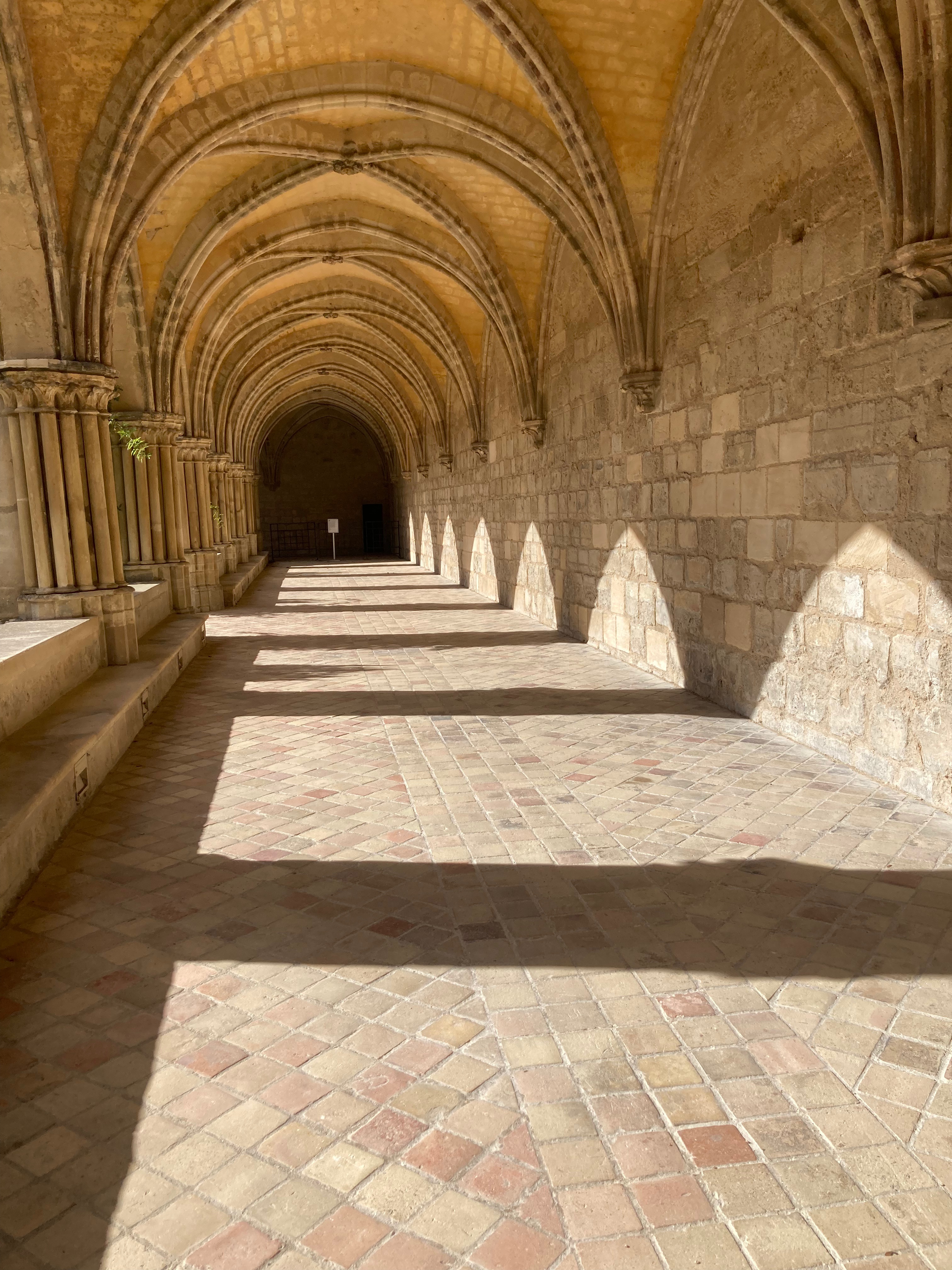
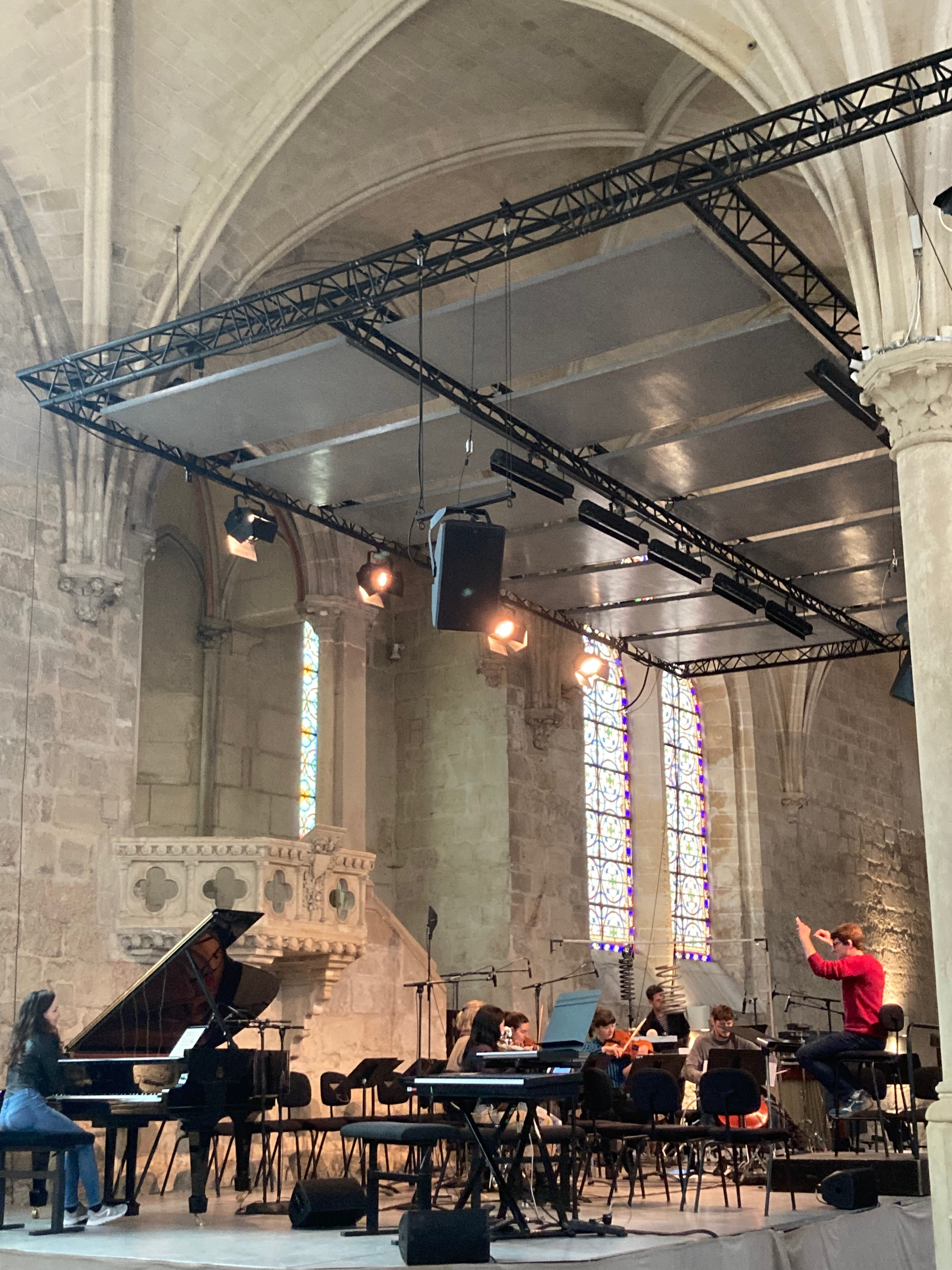
After finishing the work, in September I got to travel to France for the premiere. After spending a few days exploring more generally we arrived at Royaumont to begin rehearsals for the performance. It was wonderful to be back at the Abbey and the space provided there to make music is beautiful and acoustically delightful. In the end, I also conducted the work which was a lovely experience. It was also great while there to hear Semblance join with Schola Heidelberg for the premiere of SAMMLUNG by Frédéric Durieux (who had also been one of the faculty at my Voix Nouvelles Academy). After the concert on the 5th of October, we travelled back to Paris as Ihlara was also working with Semblance in the following days on her follow up commission from the 2023 Voix Nouvelles Academy. I thus got to quietly sit in the back of the Radio France studio while her fabulous new work was recorded for broadcast. It was really nice to get to travel for music things together for the first time in a long time and hoping we get to do more of this in the future.
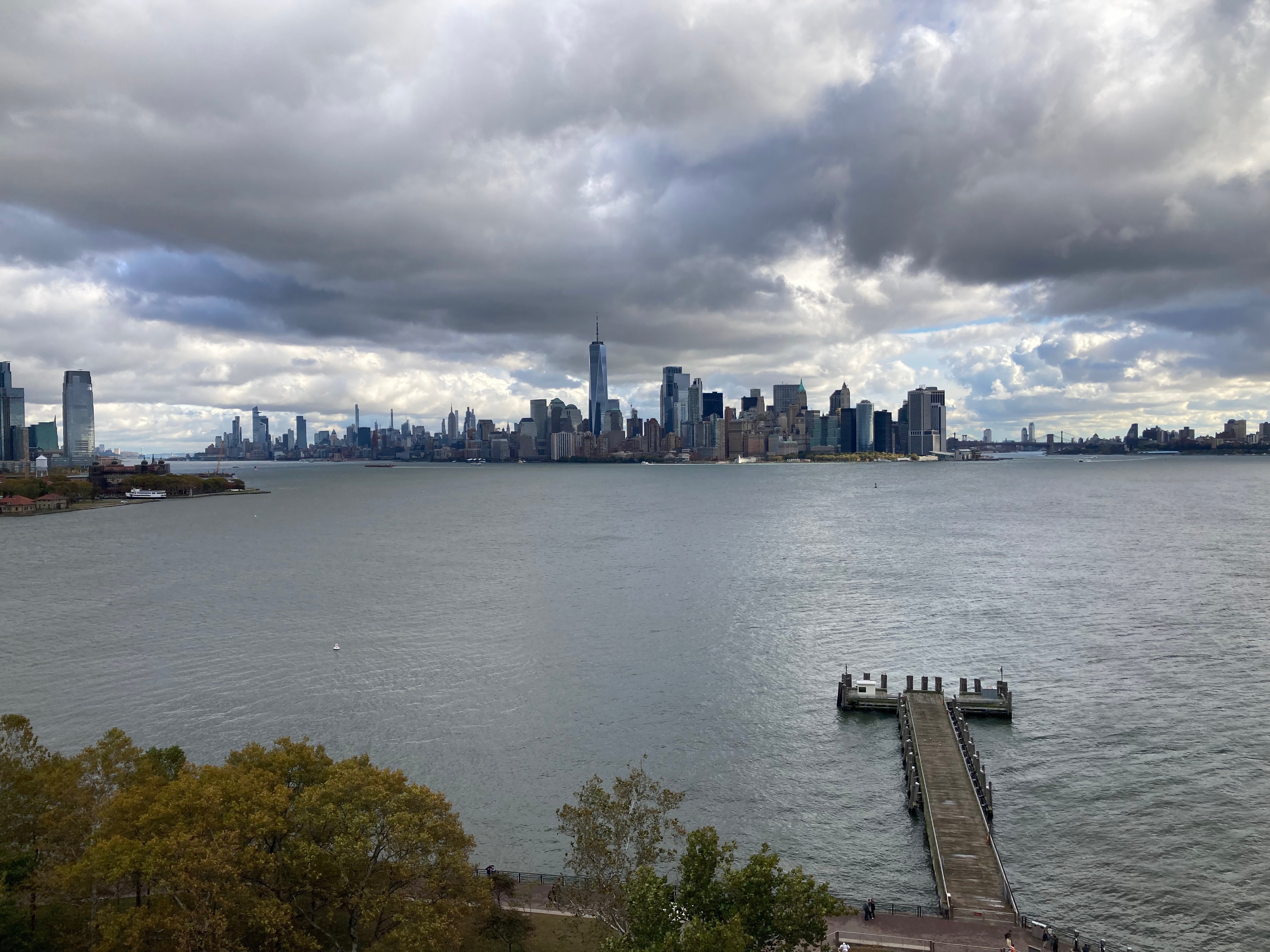
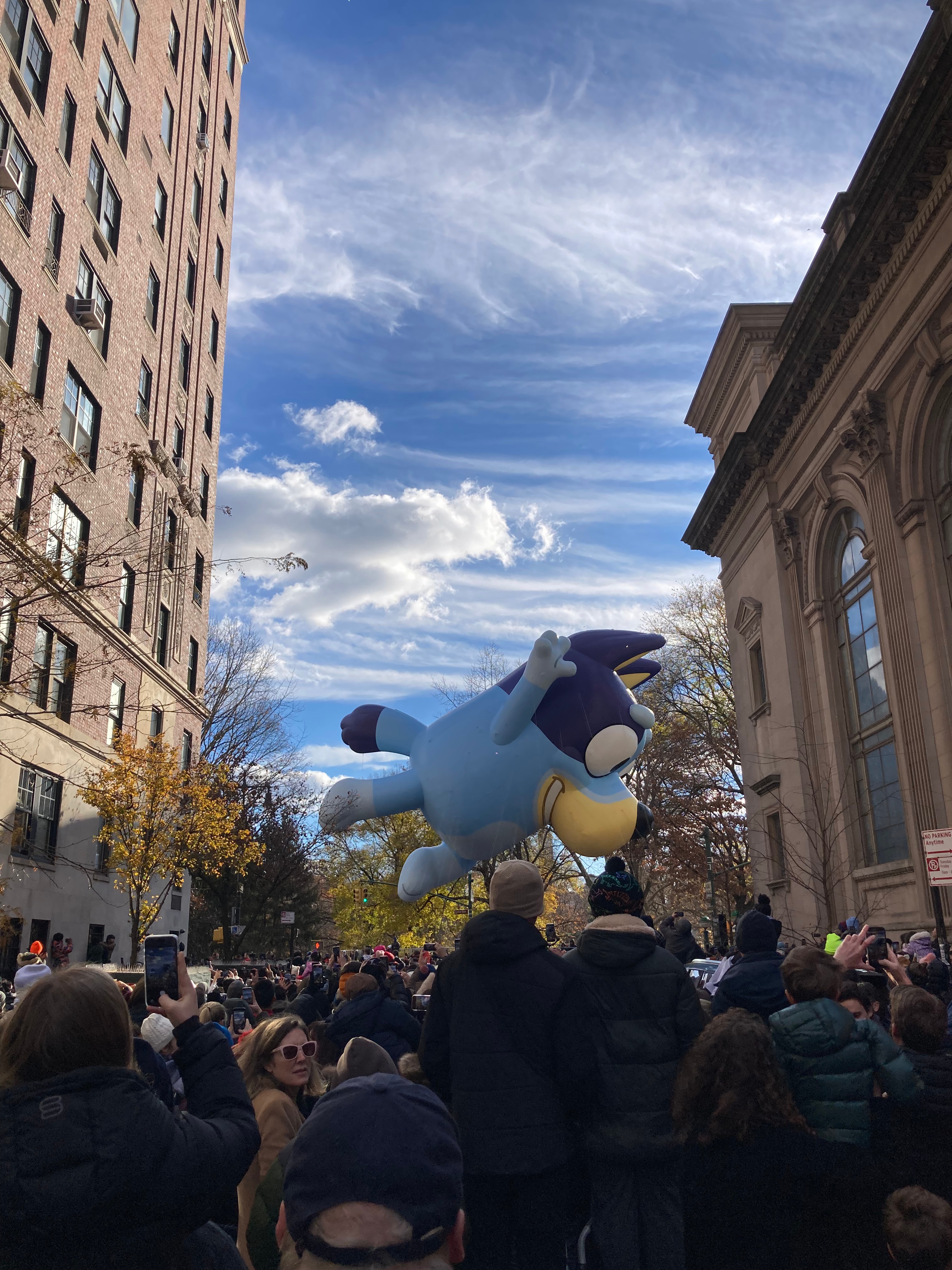
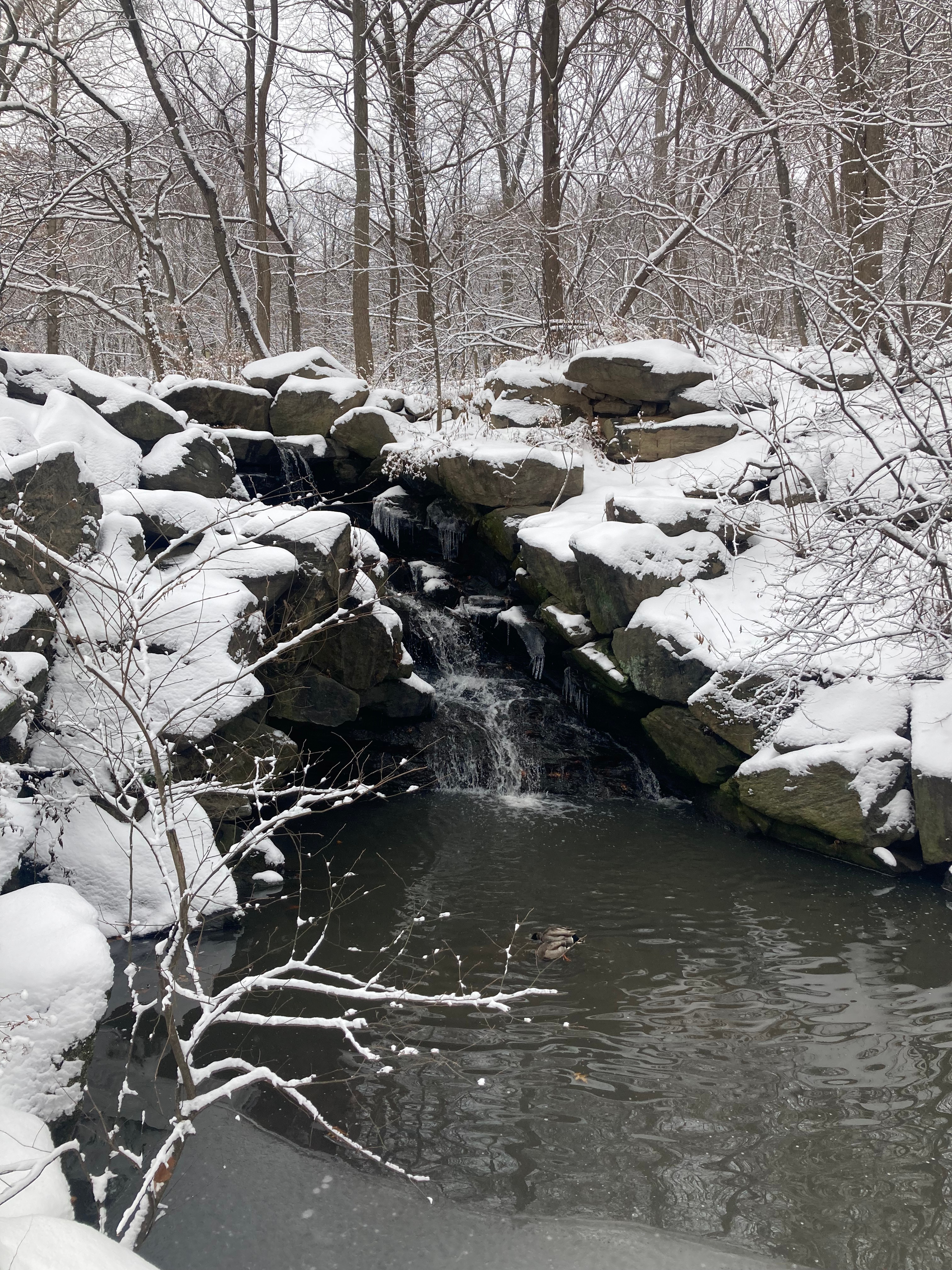
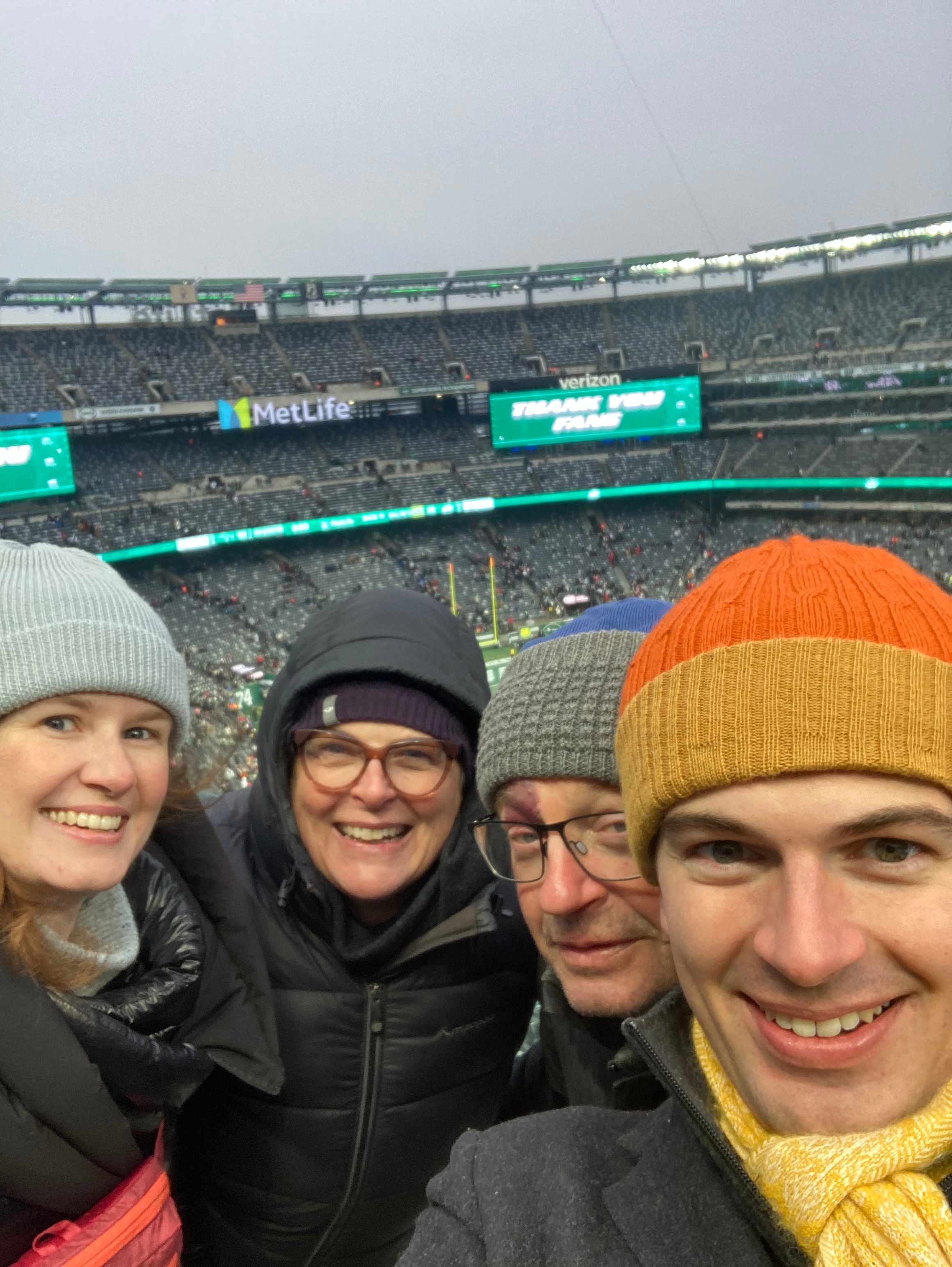
After getting back from France it was really breakneck speed and intensity until the end of the year. Coursework was piling up and final assignments were becoming due. I had one last premiere in late October, this time in Melbourne where the fabulous ELISION Ensemble performed my work Relief: Erosion for percussion, harp and double bass. This was another multi-year collaborative project and I can’t thank both ELISION director Daryl Buckley and players Peter Neville, Marshall McGuire and Rohan Dasika enough for their time, advice, feedback and effort. Unfortunately, I was unable to be there in person for that particular performance but I’m hoping I can be there next time they perform the piece. After the intensity of the back half of 2025 and final semester projects in November/December it was particularly nice to have my parents over at the end of it all for the Christmas holiday in their first ever visit to New York. This was complete with lots of Art Gallery visits and a few sports games for good measure.
All the best to everyone for 2026!
Works and Recordings:
2025 turned into a fairly significant premiere year, with five works newly aired in Aotearoa, Australia, Japan, and France. This was lovely after what felt like a slow and false starting 2024 and there were several long term collaborative projects that came to fruition in really special ways.
What I can share now is this recording of as i cry out, across this whispering garden performed by the incredible Ensemble Semblance at Royaumont in France from October. The phenomenal people playing in this recording are Sara Constant (Bass Flute), Mélanie Vibrac (Bass Clarinet), Corentin Marillier (Percussion), Carolina Santiago (Piano), Salomé Saurel (Violin) Nora Vetter (Viola) and Benjamin Coyte (Cello). Unfortunately I can’t properly credit the cows you hear at the end of the recording as I don’t have their names.
The video of this rising tide, these former wetlands is being prepared by SOUNZ and will hopefully be ready to be shared soon. There is also a brilliant recording of Relief: Erosion from ELISION that I should be able to share with everyone soon.
Writings:
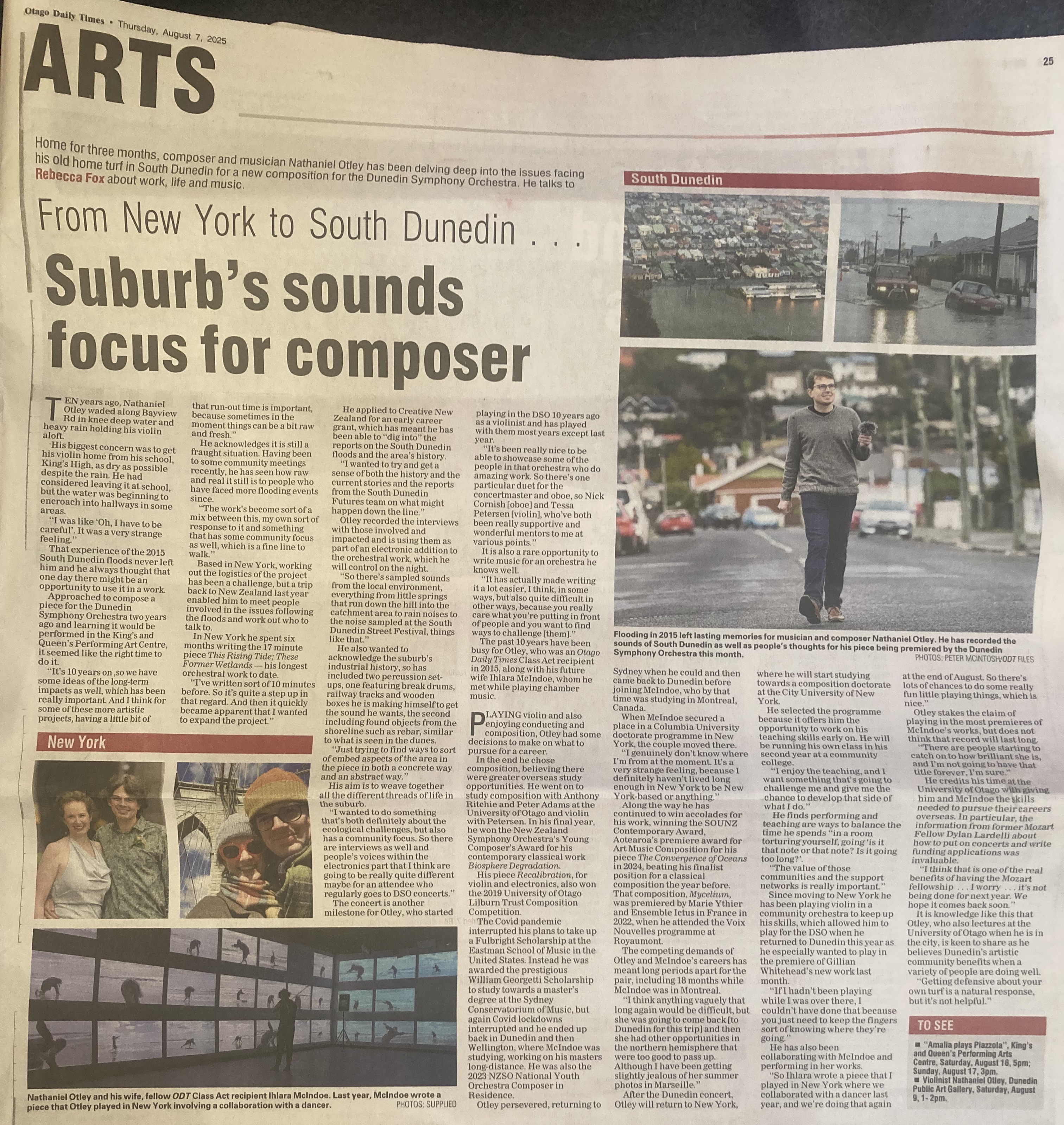
I was really lucky to get to do quite a bit of writing and talking in 2025 both on my own music and also through beginning to review through the TEMPO new music journal. Of the reviews that have been published thus far I particularly liked Louise McMonagle’s release “Ancient Modernity” on Delphian Records. You can read the article here (send me a message if you don’t have institutional access). Through the Dunedin Symphony Orchestra project I also got to chat to both the Otago Daily Times and Radio New Zealand in depth about that project and both put together really nice profiles. I also presented about the project in the Composers Association of New Zealand Conference and wrote three blog articles for SOUNZ (linked at the bottom of this post).
Website:
The new newsletter is part of a broader website rejig I’ve been doing the past few weeks. Hopefully it is now a bit more user friendly but please don’t hesitate to provide feedback if there is something that seems particularly strange, ugly, or illogical.
What I’m doing currently…
University here goes back next week so I’m enjoying the end of the break as it looks pretty full on until June beyond that. Currently I’m reworking/rewriting some workshop material for Ekmeles ahead of their residency at CUNY in March. Then I have a flute and string trio work to write for the postgraduate student ensemble that will be done here in May. This is a nice warm up for a bigger project for solo Flute that I’ll be working on later this year. Lots of other things in the pipeline too big and small that I’m looking forward to sharing more about when I can…
Favourites of 2025:
One of the most spellbinding concerts I went to last year was the Timespans performance of Steven Takasugi’s Il Teatro Rosso by NO HAY BANDA. Just an absolutely captivating and sublime work that plays with time in such special ways. Other particularly moving works I heard live this year were Evan Johnson’s O Maria and Cat Lamb’s movable frames, both performed by Ekmeles, and Chaya Czernowin’s unforseen dusk: bones into wings with the New York Philharmonic and Neue Vocalsolisten. On the New Zealand front I’m obviously biased but Ihlara McIndoe’s Of Coral and Foam was such a beautiful work played so incredibly by the Rhythm Method Quartet. It was also very special to get to be back in Ōtepoti for the premiere of Gillian Whitehead and Tessa Petersen’s huge Mataatua Whare project. Outside new music, Nish Kumar’s stand up show in Brooklyn was one of the funniest things I’ve ever attended (joining his Sydney show I saw in 2022). I got to see The Beths play twice in both Paris and New York with awesome NZ support acts Dateline and Phoebe Rings. On the reading front, I arrived back in Aotearoa in June and immediately got myself a copy of The Mires by Tina Makereti and was not disappointed. A beautiful story weaving so many complex threads and issues beautifully into a compelling story. On the non-fiction side I can’t go past One Day, Everyone Will Have Always Been Against This by Omar El Akkad as the most resonant and haunting books I read last year.
Kā mihi nui,
Nathaniel
2025 Links:
RNZ Interview
Radio France Broadcast (my piece starts 29 minutes into the broadcast)
SOUNZ Blog 1
SOUNZ Blog 2
SOUNZ Blog 3
ODT Profile
 Nathaniel Otley
Leave a comment